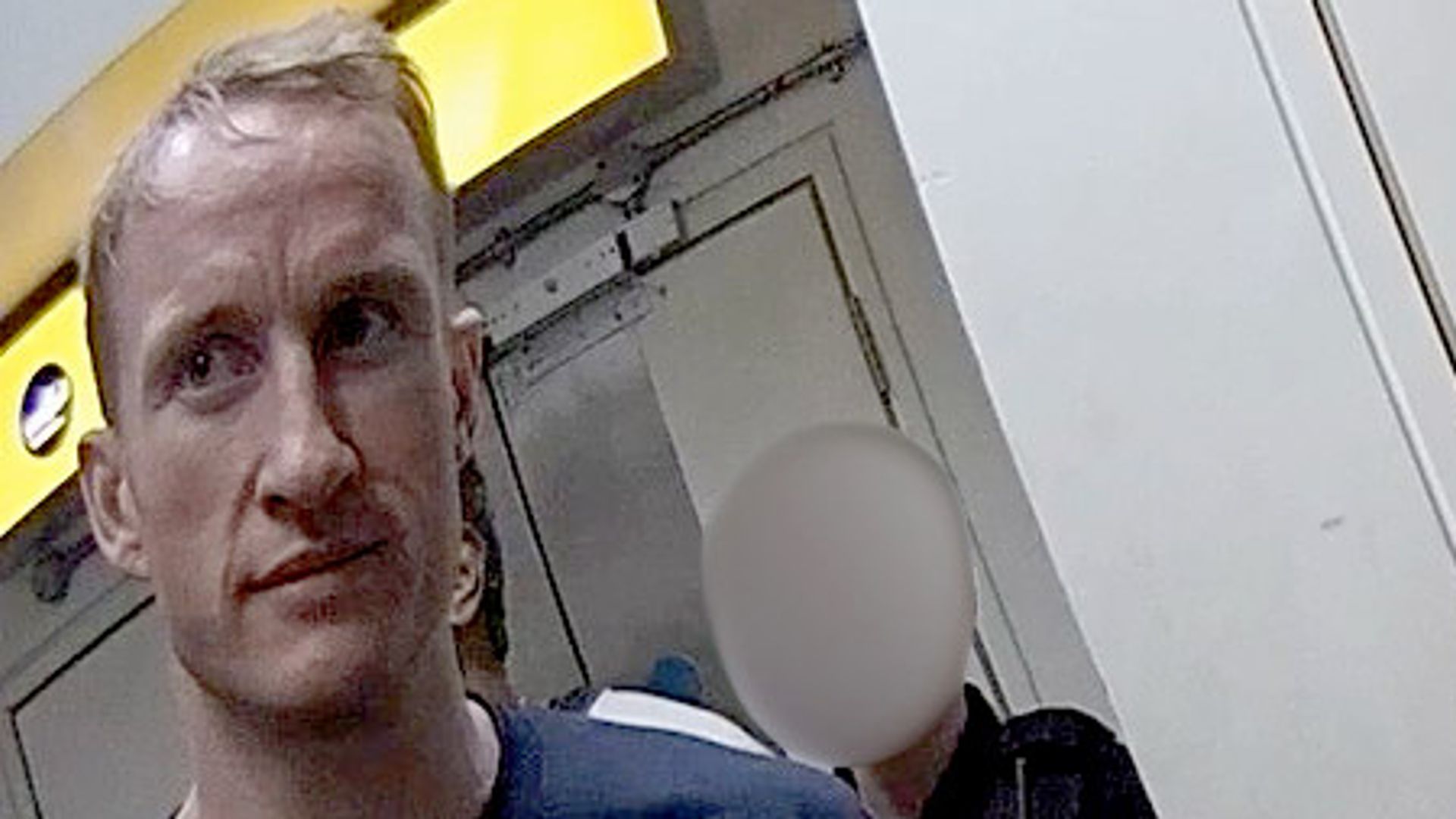
Pretending to be slick corporate lawyers from television shows sounds like a bad plot line for a low-budget crime drama. Yet, it actually happened. James Gillingham ran a brutal Ponzi scheme that tricked everyday people out of their life savings while his "brokers" adopted aliases straight out of Hollywood scripts.
If you've ever wondered how modern con artists pull off million-dollar investment scams without a single legitimate asset, the blueprint exposed at Southwark Crown Court reveals a chilling strategy of cold-calls, fake corporate addresses, and fictional television personas.
The Hollywood Playbook Behind a Million-Pound Ponzi Scheme
Between June 2015 and October 2016, Gillingham operated fake entities known as Choice Option and Blue Crest Capital Options. These weren't real financial firms. They were boiler rooms built on deception.
The brokers working inside these operations didn't use their real names. Instead, they hid behind high-profile film and TV aliases. Most notably, some callers styled themselves as Harvey Specter—the sharp-suited, aggressive closer from the US legal drama Suits. Others chose names like Jonathan Hart from the classic crime series Hart to Hart.
Victims received unsolicited cold calls promising mouth-watering monthly returns between 0.5% and 5%. The pitch was simple: hand over your hard-earned money, watch the phantom profits roll in for twelve months, and cash out rich.
Reality was starkly different. City of London Police confirmed that not a single penny of the £1,255,220.79 taken from investors was ever actually traded or invested.
Instead, it was a classic Ponzi scheme. Fresh money from new victims paid the operational overheads, funded high-flying staff salaries, and covered tiny "dividends" for earlier investors to keep them hooked. Gillingham pocketed over £200,000 for himself, while his lieutenant, Sujanthan Sotheeswaran, pulled in more than £70,000.
Smoke, Mirrors, and a Single Desk at The Gherkin
Every good confidence trick needs a convincing backdrop. Gillingham's gang claimed they operated out of London's prestigious Canary Wharf. In truth, that address was nothing more than a basic mail forwarding drop.
To add a layer of corporate legitimacy, they leased just a single desk inside the iconic Gherkin building. When vulnerable investors hesitated, the pressure tactics escalated. Brokers would aggressively badger prospects, accusing them of wasting valuable trading time or pleading with them to seize the opportunity.
One victim lost more than £133,000 of their life savings. Another stated that the fraudulent investment was supposed to act as a financial lifeboat, but ultimately acted like the Titanic.
The Long Arm of the Law Catches Up
The scheme collapsed in late 2016 when investors found they could no longer access their accounts, withdraw cash, or reach anyone on the phone. Gillingham immediately fled the United Kingdom.
While his accomplices faced trial and imprisonment in 2024—with Sotheeswaran receiving three years and Denis Deegan getting two years and eight months—Gillingham stayed abroad. He eventually landed in Singapore, where he managed to pick up an assault conviction.
In August 2025, Singapore deported him. He touched down at Heathrow Airport only to find City of London Police waiting to arrest him. Even then, Gillingham tried to game the system by submitting a fake tenancy agreement to secure bail.
It didn't work. Faced with overwhelming evidence, he finally pleaded guilty to fraud, money laundering, and perverting the course of justice. Judge Martin Griffith handed him a sentence of five years and six months behind bars at Southwark Crown Court.
How to Spot Boiler Room Fraud Before It Costs You
Scammers rely on psychology, urgency, and perceived prestige. If you want to protect your savings from similar operations, keep these practical rules in mind:
- Check the FCA Register: If an investment firm isn't authorized by the Financial Conduct Authority, hang up immediately. Real brokers welcome regulatory checks; fraudsters dodge them.
- Beware of Guaranteed Returns: Genuine markets fluctuate. Anyone promising fixed monthly percentages with zero risk is lying.
- Question the Address: A fancy London skyline photo on a website or a hot desk in a famous skyscraper doesn't mean a company is legitimate. Verify physical office spaces independently.
- Recognize High-Pressure Sales: Legitimate financial advisors give you space to think. Scammers create artificial urgency because they know reflection destroys their narrative.
Prosecutors are now pursuing confiscation orders under the Proceeds of Crime Act to claw back whatever assets remain. For the dozens of victims whose lives were set back years, no sentence can fully reverse the damage, but the mastermind's time behind bars closes a painful chapter.