For over four decades, a man who swallowed cyanide inside a Boise church sat buried in an Idaho cemetery under a chilling moniker: the Unknown Wanderer. He carried nearly $1,900 in cash, a Seiko watch, dozens of keys, and a fake name typed on a note. Nobody knew who he was. Nobody knew why he died.
Now, authorities have a name—Mathew Francis Betkouski—and they think his story doesn't end in Idaho. Investigators believe this decades-old suicide could hold the key to solving the infamous Chicago Tylenol murders, one of American history's darkest unsolved mysteries.
Solving the Unknown Wanderer Mystery
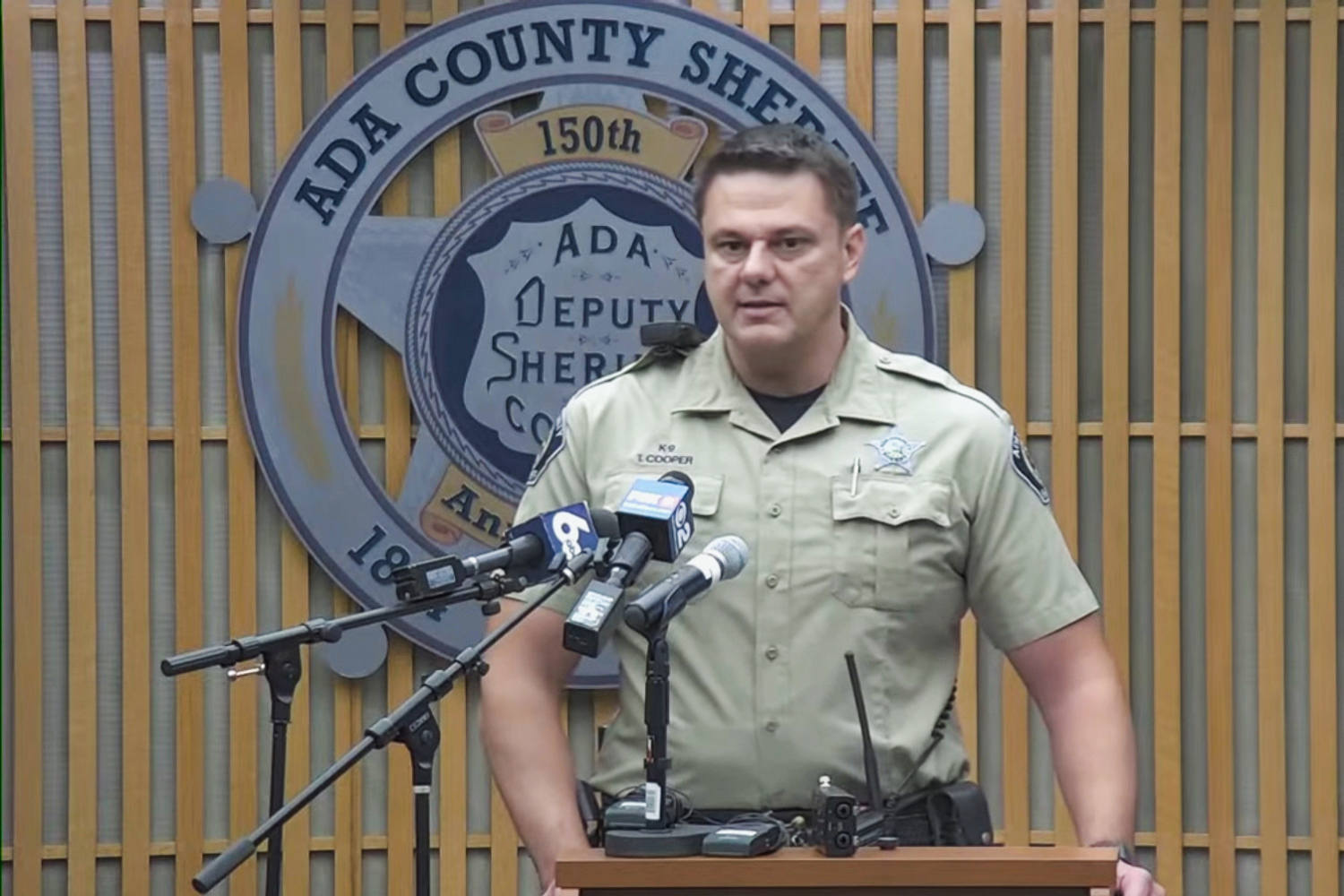
Cracking a case frozen in 1982 takes obsessive police work. Ada County Cold Case Detective Tim Cooper refused to let the file collect dust. The breakthrough didn't come from a high-tech DNA database right away; it started with hardware.
Experts scrutinized old photographs of the keys found in the dead man's pocket. A specific hallmark pointed straight to a Jacksonville, Florida, hardware store. An engraving read "Mills Court". Detectives dug through ancient property records, tracked down a former resident, and got DNA from a surviving brother in California.
The match was definitive. The Unknown Wanderer was Mathew Francis Betkouski, an organic chemist who once worked on a NASA-related project in New Mexico.
The Tylenol Connection
Identifying Betkouski was only the opening act. Once his background surfaced, investigators noticed alarming overlap with the timeline of the Chicago Tylenol poisonings, which killed seven people in September 1982 after capsules laced with cyanide were laced and placed on store shelves.
Betkouski was an organic chemist. He had the technical skill to source and handle cyanide. Investigators found that he placed a call to a chemical supply company weeks before the Chicago murders and later contacted a pharmaceutical company research division. He disappeared from his Las Cruces, New Mexico home on October 15, 1982—weeks after the Tylenol tragedy shook the nation—and eventually made his way to Idaho, where he took his own life with cyanide on December 4, 1982.
Law enforcement is careful with their words. They aren't officially labeling Betkouski the killer. They can't definitively place him inside the Chicago area during the exact week the tainted pills were distributed. Yet, veteran behavior analysts and forensic experts, including prominent figures consulted during the investigation, view him as a deeply viable suspect.
What Happens Next
Cold cases rely on public memory and overlooked details. Ada County authorities are actively hunting for anyone who crossed paths with Betkouski between October 15 and December 4, 1982. They want to know his travel routes, his communications, and any unusual behavior.
If you have any historical information regarding Mathew Francis Betkouski or suspicious activities involving cyanide during that era, contact the Ada County Sheriff’s Office immediately.
Idaho cold case breakthrough reveals possible link to Chicago Tylenol murders
This video provides additional context and local news coverage regarding how Idaho law enforcement connected the decades-old unidentified decedent to the nationwide Tylenol investigation.
http://googleusercontent.com/youtube_content/1