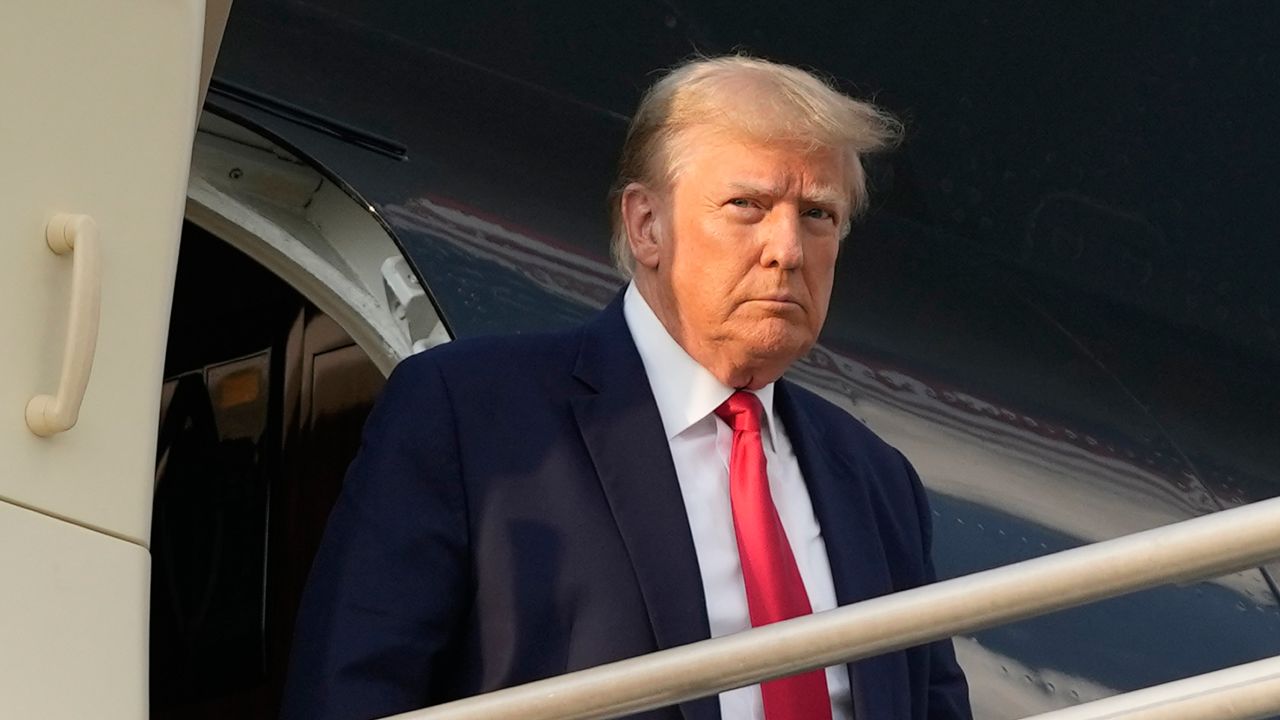
When a world leader steps up to the podium at the United Nations General Assembly, truth often takes a back seat to grandstanding. Donald Trump's recent address in New York was no exception. It was packed with sweeping declarations, sharp attacks on globalist frameworks, and statistics that simply didn't survive basic scrutiny. If you listened closely, you caught claims about global oil reserves, military stockpiles, and artificial intelligence that raised eyebrows among policy experts and statisticians worldwide. Let's break down what he actually said, where the numbers fell apart, and why these discrepancies matter for international politics.
The Oil Reserve Claim And Why The Math Fails
One of the most striking assertions during the speech involved global energy dominance. Trump claimed that combined oil reserves belonging to the United States and Venezuela account for over sixty percent of the world's supply. It sounds like a massive geopolitical flex. The reality is far less staggering.
When looking at proven reserves—meaning oil that is practically and economically extractable—the U.S. and Venezuela together hold roughly twenty-two percent of the global total. If you measure by current production output rather than underground deposits, the combined figure sits near twenty-three percent. Hitting sixty percent isn't just an exaggeration; it's a completely detached number. Analysts point out that Middle Eastern nations alone hold nearly half of global proven reserves, leaving Washington and Caracas nowhere near the monopoly status claimed from the UN stage.
Military Stockpiles And Munitions Reality
Critics have frequently raised alarms about military readiness, especially with ongoing conflicts straining international logistics. Trump pushed back hard against those reports during his address, telling the assembly that the United States possesses more munitions than it could ever possibly use and is manufacturing them at record-setting levels.
Real-world defense reporting paints a more nuanced picture. While the U.S. defense industrial base has ramped up production lines for artillery shells and precision-guided weapons, Pentagon officials and independent defense analysts have frequently noted severe bottlenecks in supply chains. Certain specialized munitions categories have experienced significant drawdown pressures due to sustained foreign aid and active military engagements. Saying supplies are limitless ignores the very real manufacturing constraints and replenishment timelines that military logists grapple with every single week.
Dismissing Artificial Intelligence Safety Warnings
Artificial intelligence dominated background conversations during the high-level UN week, and Trump addressed the topic head-on by dismissing doomsday warnings. He compared fears of AI destruction directly to political controversies and past climate predictions, calling them a hoax designed to stifle growth. He also announced that official government documents should shift from "artificial intelligence" to "superintelligence" or "SI," while claiming the U.S. holds a massive lead over China.
Tech leaders and industry researchers quickly pushed back on multiple fronts. While the U.S. currently leads in frontier model capability, China trails by a matter of months rather than years. Furthermore, safety concerns aren't coming solely from fringe environmental groups; they are originating from the top engineers and executives building the technology. Dismissing these risks as a political fabrication ignores genuine technical challenges around cybersecurity, autonomous weapon systems, and systemic alignment.
Cartel Drug Interdictions And Statistical Smoke And Mirrors
Border security and cartel crackdowns formed another core pillar of the speech. Trump stated that naval strikes and maritime interdictions had successfully destroyed ninety-seven percent of drugs coming through ocean routes.
Public health researchers and drug policy experts were quick to correct the record. The figure likely stemmed from a misunderstanding or misrepresentation of short-term customs seizure drops. Interdiction data measures what law enforcement catches, not what successfully slips through the net. Because the illegal drug trade operates as a black market, calculating a precise total volume of smuggled narcotics is mathematically impossible. A drop in specific monthly seizures reflects changing interdiction tactics or shifting smuggling routes rather than the total eradication of maritime drug trafficking.
Walking Out And Rising Tensions
Beyond the specific fact-checks, the atmosphere in the assembly hall told its own story. Delegations from nations currently locked in geopolitical friction with Washington, including Cuba and Iran, staged walkouts during portions of the address. These diplomatic optics highlight the widening gulf between the administration's unilateral messaging and the reception it receives on the global stage.
Parsing these speeches requires looking past the rhetoric to examine the underlying data. When leaders toss out figures like sixty percent oil monopolies or ninety-seven percent drug destruction rates, it pays to check the footnotes.
Truth or Fake: Fact-checking Trump’s speech at the United Nations General Assembly
This video provides a direct, investigative breakdown of the misleading and exaggerated claims made during the speech, offering a visual supplement to the data analysis.
http://googleusercontent.com/youtube_content/1