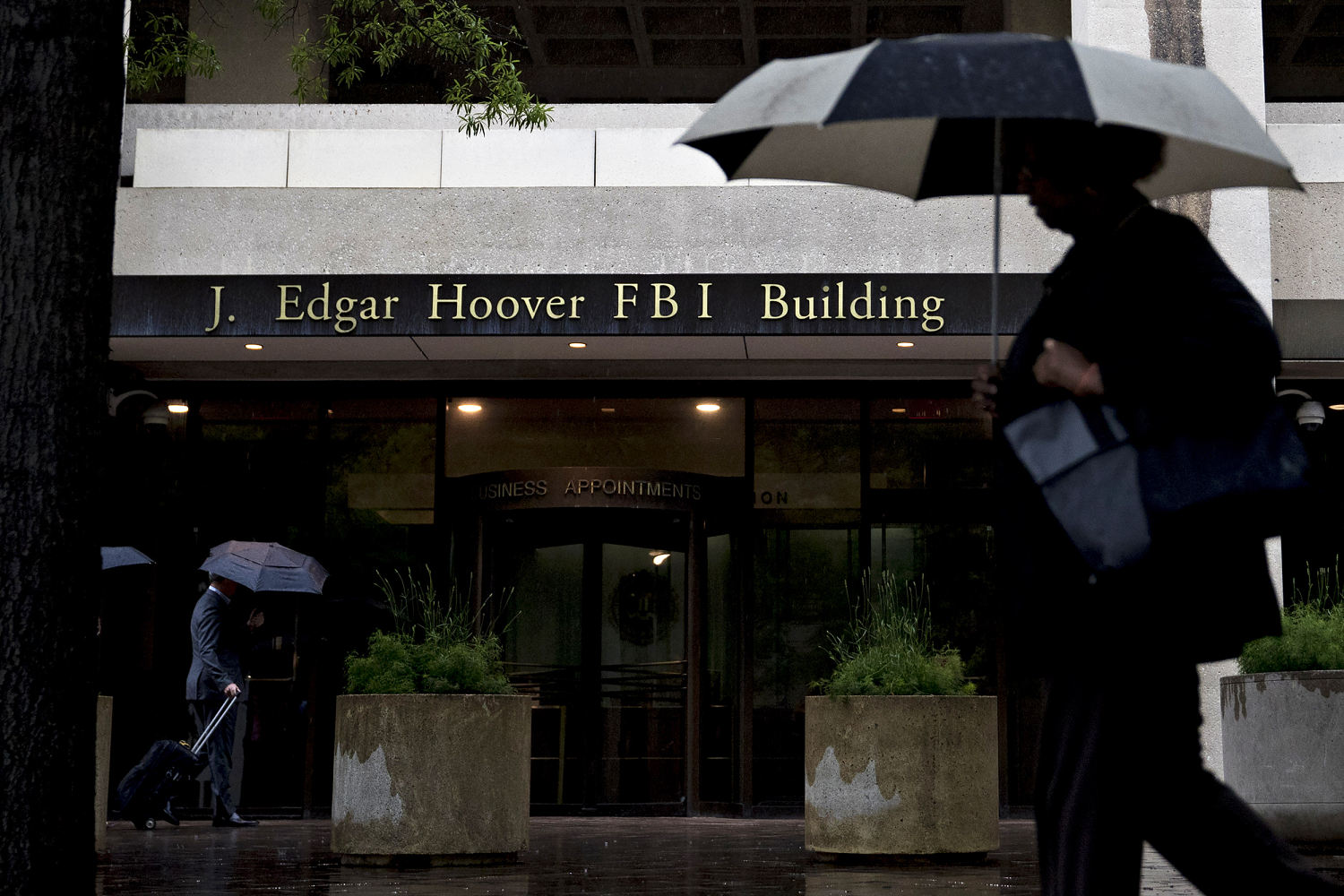
When a cybercrime collective drops a bombshell claim that they've downloaded terabytes of internal federal files, the digital security world stops spinning. That is exactly what happened when the notorious hacking crew ShinyHunters stepped forward, boasting that they broke straight into the official recruitment portal at FBIjobs.gov. They claimed to walk away with between two and three terabytes of files, including the personal details of thousands of federal agents, staff, and job applicants.
You hear headlines like this every few months, and your first instinct is usually skepticism. Are these threat actors exaggerating their reach, or did a premier law enforcement agency actually leave its front door wide open? Let's break down what this alleged FBI data breach actually means, why security professionals are losing sleep over it, and what happens next.
Inside the ShinyHunters Claim
The group didn't just whisper about a breach in an obscure dark web forum. They went straight to reporters, leaking samples of what they allegedly grabbed. We're talking about real names, home addresses, phone numbers, and background details tied to spouses and family members.
According to reports from outlets like 404 Media, the hackers targeted the bureau's recruitment systems first, then used that foothold to pivot into other connected internal networks. The FBI quickly acknowledged the noise, releasing standard statements confirming they are aware of unauthorized activity affecting their recruitment portal and actively investigating.
Why target a job portal? It is a classic tactical maneuver. Recruitment sites sit on the edge of enterprise networks, often acting as softer targets compared to highly guarded intelligence databases. Once inside an application gateway, crafty intruders can harvest years of resumes, background checks, and personal questionnaires filled out by eager applicants and seasoned insiders alike.
The Real Danger of Exposed Agent Data
Data breaches happen to retail giants and streaming services all the time, but when federal law enforcement personal info gets compromised, the stakes change overnight. Former cyber officials have pointed out a terrifying reality: FBI agents sign their names to court documents, indictments, and arrest warrants. They put criminals away for decades.
When home addresses, phone records, and family details leak into underground ecosystems, the threat shifts from digital annoyance to physical danger. Cybercriminals and criminal syndicates have a history of using leaked personal records to track, intimidate, and harass investigators at their homes. Beyond domestic criminal threats, foreign intelligence agencies would love nothing more than a comprehensive index of everyone working inside or attempting to enter America's primary domestic spy agency. It provides a blueprint for counterintelligence operations, recruitment targeting, and social engineering campaigns.
Why This Keeps Happening to Government Systems
Federal agencies possess massive budgets and elite technical personnel, yet they remain prime targets. Legacy infrastructure creates massive blind spots. Government contractors, outdated web applications, and third-party recruitment software often run on older code bases that are tough to patch quickly.
Cybersecurity experts often warn that threat groups don't need to crack military-grade encryption if they can exploit a single misconfigured cloud bucket or an unpatched web vulnerability on a public-facing portal. In this specific case, reports suggest the attack was fueled partly by retribution—a response to public security reports published earlier in the year that detailed ShinyHunters' extortion methods and advised targets not to pay ransoms. Hackers have big egos, and public call-outs often trigger retaliation.
How to Protect Your Own Organization From Similar Entry Points
If you run IT infrastructure or manage web applications, this incident offers a brutal reminder of how perimeter defense fails. You can build a fortress around your core database, but if your recruitment page or public HR portal has a weak access control list, you are exposed.
- Isolate public-facing portals: Keep HR systems, job boards, and marketing sites completely segmented from internal core networks. A compromise on a job application page should never allow a lateral pivot into sensitive files.
- Audit third-party integrations: Many agencies outsource recruitment software to vendors. Ensure those third-party vendors undergo the same rigorous penetration testing as your internal systems.
- Monitor anomalous credential usage: Threat actors love living off the land by using legitimate administrative credentials. Set up behavioral analytics that flag weird data exfiltration volumes immediately.
The investigation into the FBI recruitment portal breach is moving fast, and the full extent of the stolen files will take weeks to verify. Don't assume your perimeter is safe just because you aren't a federal law enforcement agency. Patch your edge services today.
FBI investigating after hackers claim they stole sensitive data
This video is relevant because it covers the breaking news coverage and initial official statements regarding the alleged hacking group breach of FBI personnel data.