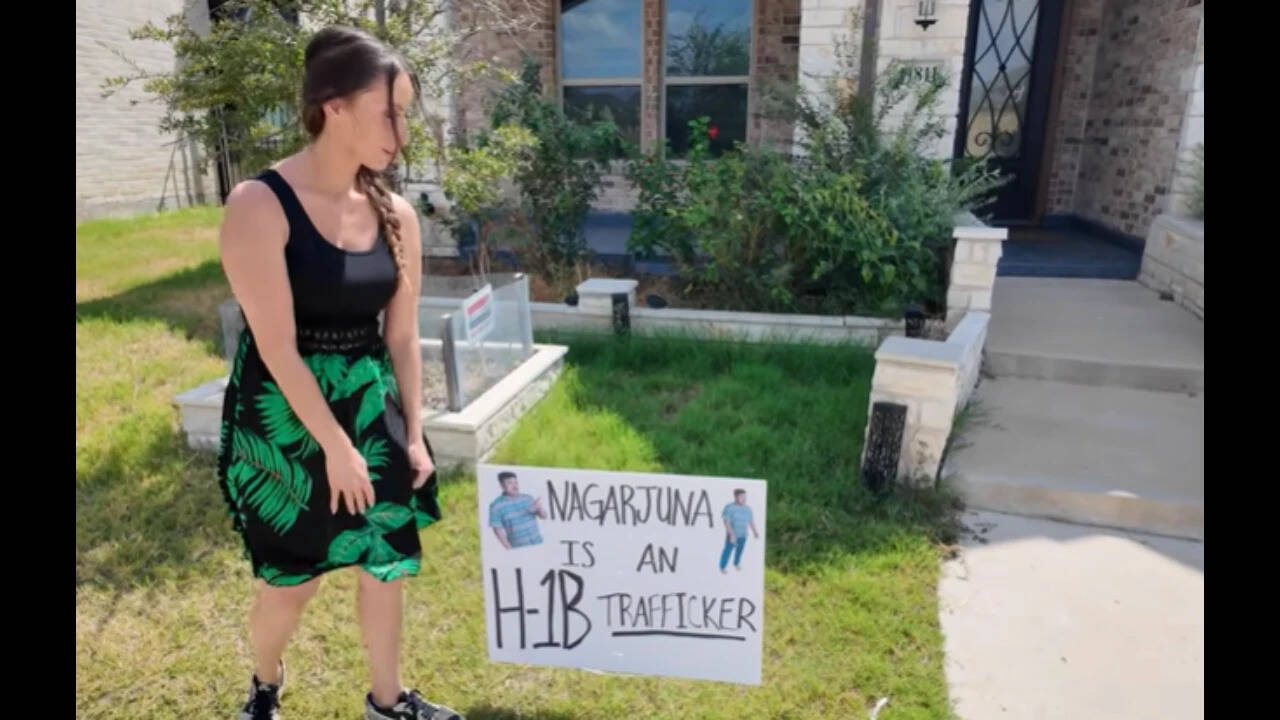
The headlines keep rolling in, but the structural rot in the system remains untouched. Texas media personality Sara Gonzales recently doubled down on her viral confrontation with IT consultancy owner Nagarjuna Reddy Sakam, dropping a follow-up video claiming the tech operator is selling his home and packing up for India. Whether he leaves or stays matters less than the glaring spotlight this whole mess casts on the underground economy of third-party H-1B staffing.
If you think this is an isolated incident, you haven't been paying attention to how the visa system actually runs.
Let's look at how these underground operations function. The mechanics are simple yet dirty. Small IT consultancies often act as middlemen, hoarding visa sponsorships to leverage desperate foreign tech workers. Whistleblowers stepping forward in the wake of the Gonzales video paint a familiar picture. Workers shell out thousands of dollars in hidden fees—sometimes disguised as legal costs—only to experience months of unpaid work, broken promises, and sudden ghosting when they demand their earned wages.
The Reality of Third-Party IT Consultancies
Third-party staffing firms are the grey market of American corporate tech. Big tech companies love them because they provide flexible contractors without long-term benefits or direct HR overhead. Workers love them because an H-1B visa is a golden ticket to live and work in the United States.
Consultancy owners exploit this exact power imbalance. When you hold someone's legal status in your hands, you hold all the cards.
Whistleblowers in the Sakam case pointed out a classic trap. Employees reported paying thousands of dollars upfront, operating under the false assumption that paying sponsorship fees is normal. Many didn't know that legally, employers are supposed to shoulder the burden of H-1B filing costs. Once locked into the contract, the paycheck delays begin. Workers stay silent because speaking up means losing their visa status and getting shipped back home.
Why Government Oversight Falls Short
The Department of Labor and USCIS try to crack down on wage theft and visa fraud, but the machine is too big. Bad actors exploit loopholes faster than regulators can draft policies. They use shell companies, misuse relief funds like PPP loans to cover administrative tracks, and cycle through new batches of foreign talent as soon as old workers wise up and complain.
It's a high-stakes shell game. When journalists or local activists show up on a doorstep with a camera, the operators simply pack up, list their assets, and disappear across international borders before investigators can freeze accounts or press criminal charges.
What Needs to Change Right Now
If you are a tech worker navigating the U.S. visa system, you need to protect yourself because nobody else will. Stop trusting handshake agreements and vague promises about future backpay.
- Verify employer obligations: Never pay out of pocket for your own H-1B sponsorship or attorney filing fees. If a company asks you to cover these costs, run.
- Track every payment and communication: Keep physical, offline logs of your pay stubs, hours worked, and messages with management.
- Know the whistleblower channels: If your employer stops paying you or benches you without pay, document it immediately and contact legal aid organizations that specialize in immigrant worker rights.
The system relies on silence and fear. Exposing these operators is only the first step. True reform requires workers to stop accepting exploitative terms and for regulators to crack down on fraudulent body shops before they take the money and run.