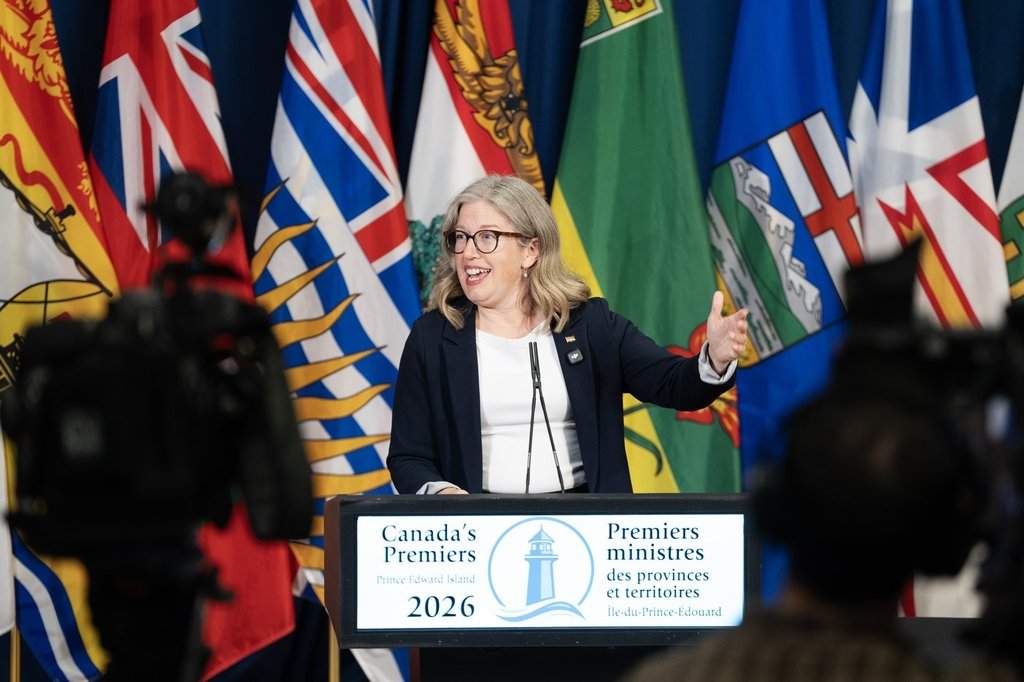
Politicians love to look tough during a trade war. They will throw punches at any target available, hoping something lands. But when New Brunswick Premier Susan Holt floated the idea of banning American hunters and anglers from crossing the border, she missed her target entirely. Instead of hitting Washington policymakers, she aimed straight at rural New Brunswick.
Local outfitters are furious. They are right to be.
If you think a recreation ban is a clever geopolitical weapon, you do not understand how rural economies survive. Let us look at what is actually at stake.
The Real Cost of Closing the Woods
Trade wars are messy. When tariffs hit Canadian goods from the U.S. administration, governments scramble to find retaliation levers. Banning U.S. alcohol or restricting public procurement makes a certain kind of political sense. Cutting off electricity exports to parts of Maine is aggressive.
Banning non-resident hunting and fishing licences, however, is a self-inflicted wound.
According to the United Guides and Outfitters of New Brunswick, about 85 per cent of the industry's clients come from the United States. Generations of family-owned businesses rely entirely on these visitors. During peak seasons like the annual five-day moose hunt, American dollars pump millions directly into local hands. We are talking about tag fees, guide wages, taxidermists, local grocers, and meat processors.
The Canadian Federation of Outfitter Associations points to hard numbers. Foreign clients spent millions across the province in a single tracked year, making up the vast majority of outfitter revenue. Across the entire country, international hunters and anglers inject billions into local tourism.
Take away the Americans, and you do not hurt Washington. You hurt the cook, the guide, and the small business owner in rural New Brunswick.
Why This Proposal Misses the Mark
Political scientists like Don Desserud suggest the idea might just be a trial balloon. Governments float wild ideas to test public appetite and see what kind of attention they can grab. The logic is that targeting recreational demographics might wake up specific voting blocks in Republican strongholds.
It sounds clever in a boardroom in Fredericton. On the ground, it falls apart.
American hunters do not dictate U.S. trade policy. They are everyday outdoor enthusiasts who save up for a trip to the Canadian wilderness. Punishing them does not change White House tariff strategy. It just drives those tourism dollars to other provinces or alternative international destinations that are more than happy to take the cash.
Scott Ellis from the Canadian Federation of Outfitter Associations called it a short-sighted move. He is right. No other province is rushing to copy this strategy. Nova Scotia, for instance, has confirmed its department has zero plans to implement similar licence bans. When you are the only one shooting yourself in the foot, you cannot blame the other guy for bleeding.
What Needs to Happen Next
If New Brunswick wants to push back against unfair trade practices, it has to target supply chains and corporate interests that actually feel the pinch. Going after local guides and seasonal lodges is the definition of punching down.
Rural economies are already fragile. They do not need government experiments threatening their livelihoods over political theater.
Stop playing games with the home team. Support the people who keep rural communities alive, and find actual economic tools that target trade without destroying local businesses.