Western security agencies usually talk about threats in years, not months. That changed when Danish intelligence dropped a stark warning. Russia could launch a limited military attack against a NATO country much sooner than anyone expected.
If you've been following the war in Ukraine, you know Moscow is under immense pressure. But a direct clash with the Western military alliance sounds like suicide for the Kremlin. So what is Copenhagen actually warning about? Let's break down the real threat behind the headlines.
The Short-Term Threat Isn't a Full Invasion
Nobody is talking about rolling tanks across the Polish or Baltic borders in a massive D-Day style invasion. That would take a massive build-up of troops over at least six months, and Western spy networks would spot it immediately.
Instead, the Danish Defence Intelligence Service (DDIS) points to a "low but growing risk" of limited, targeted actions. We are talking about grey-zone warfare crossing over into kinetic hits.
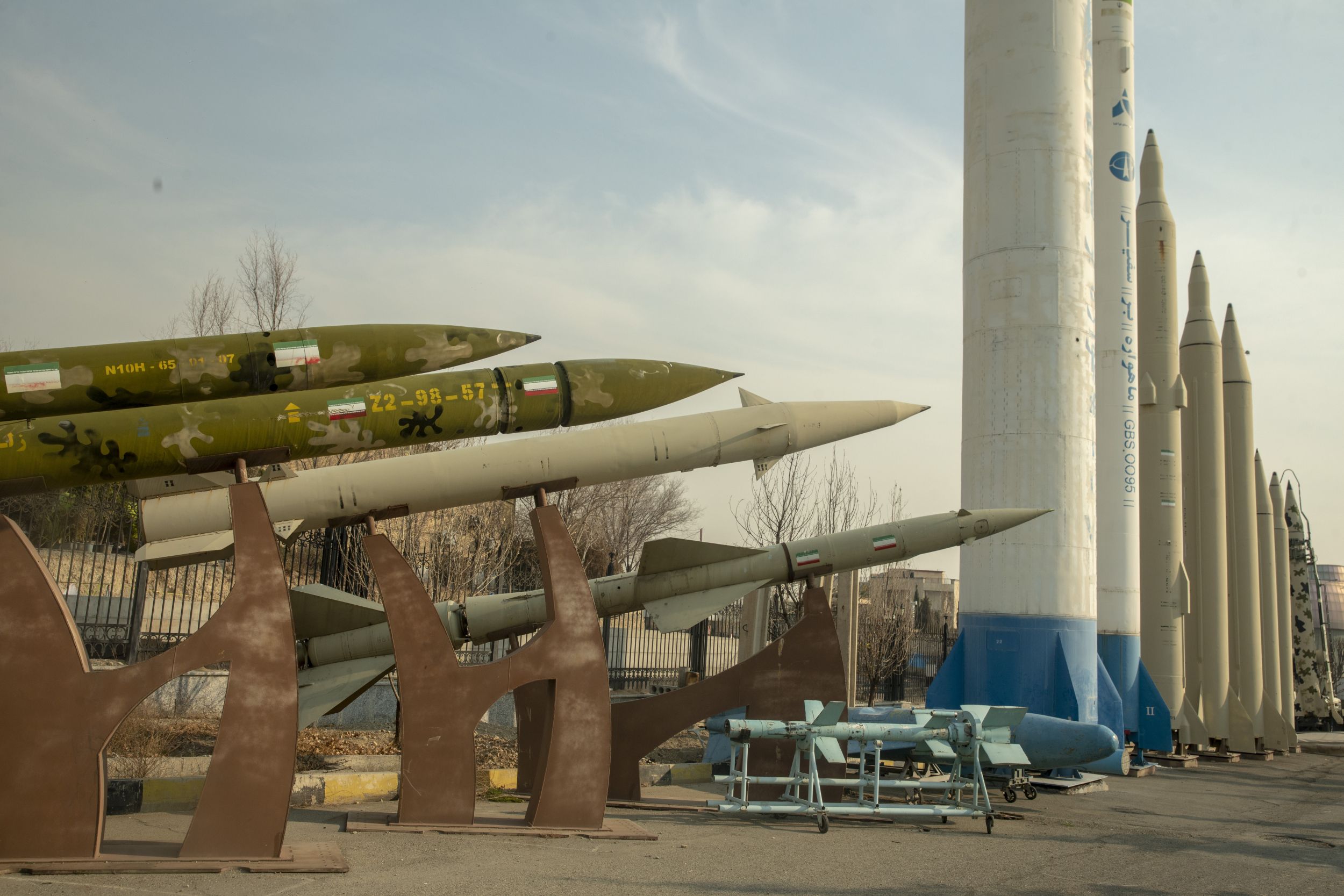
- Isolated long-range weapon strikes on logistics hubs supplying Ukraine.
- Small troop incursions across borders, potentially operating without national insignia.
- False-flag operations using captured Ukrainian equipment to sow confusion.
The goal isn't to conquer territory. The goal is to fracture Western political will.
Why Moscow Might Take the Risk Now
Russia's military leadership operates under a specific conviction. They genuinely believe NATO is already a direct participant in the war. Between intelligence sharing, weapons supply lines, and tactical guidance, Moscow views the alliance as an active combatant.
When you're backed into a corner, you lash out. Russia is failing to meet its core objectives in Ukraine on its preferred timeline. That desperation breeds escalation.
Danish officials point out that Moscow might test Article 5. They want to see if the alliance will actually respond collectively, especially if doubts linger about Washington's long-term appetite to back European defense. If NATO hesitates or fractures over a limited strike, the alliance loses its core deterrent value.
The Escalation Is Already Happening on the Ground
Don't treat these warnings as theoretical exercises. Look at the timeline leading up to the report.
In Poland, authorities recently labeled a fire at a Starlink satellite ground station as an intentional act of sabotage. In the Baltic Sea, a Russian warship aggressively fired flares at a Danish military helicopter. Meanwhile, foiled drone plots and destructive cyberattacks continue to target critical infrastructure across Europe.
These incidents don't quite trigger a full NATO Article 5 response on their own. That's the exact threshold Moscow is probing. They want the maximum disruption with the minimum risk of triggering an all-out war they cannot win.
What This Means for European Security
European capitals face a brutal reality check. Relying on deterrence by statement no longer works. Intelligence chiefs are sounding the alarm because current defense production and civil preparedness lag behind the actual threat timeline.
If you live in Europe or track global security, stop treating the Ukraine conflict as a localized regional border dispute. It is the opening act of a broader confrontation. Governments must harden critical logistics hubs, ramp up cyber defenses, and prepare the public for high-consequence disruptions. Expect more sabotage, more grey-zone attacks, and a tense winter ahead.