/Peppers-Sweet-Mix-579bb8773df78c3276657310.jpg)
When Iranian President Masoud Pezeshkian stepped up to the podium at the 81st Session of the United Nations General Assembly in New York, he didn't just bring talking points. He brought visual evidence. Holding up photographs of young students killed in the Minab school strike alongside a picture of slain Supreme Leader Ali Khamenei, Pezeshkian launched into a blistering rebuttal of Western accusations.
If you've been following the tense exchanges between Washington and Tehran, his message was stark: Iran isn't the primary source of regional instability, according to its leadership. Instead, Tehran is painting itself as the chief victim of Western and Israeli aggression.
Flipping the Script on Terrorism at the UN
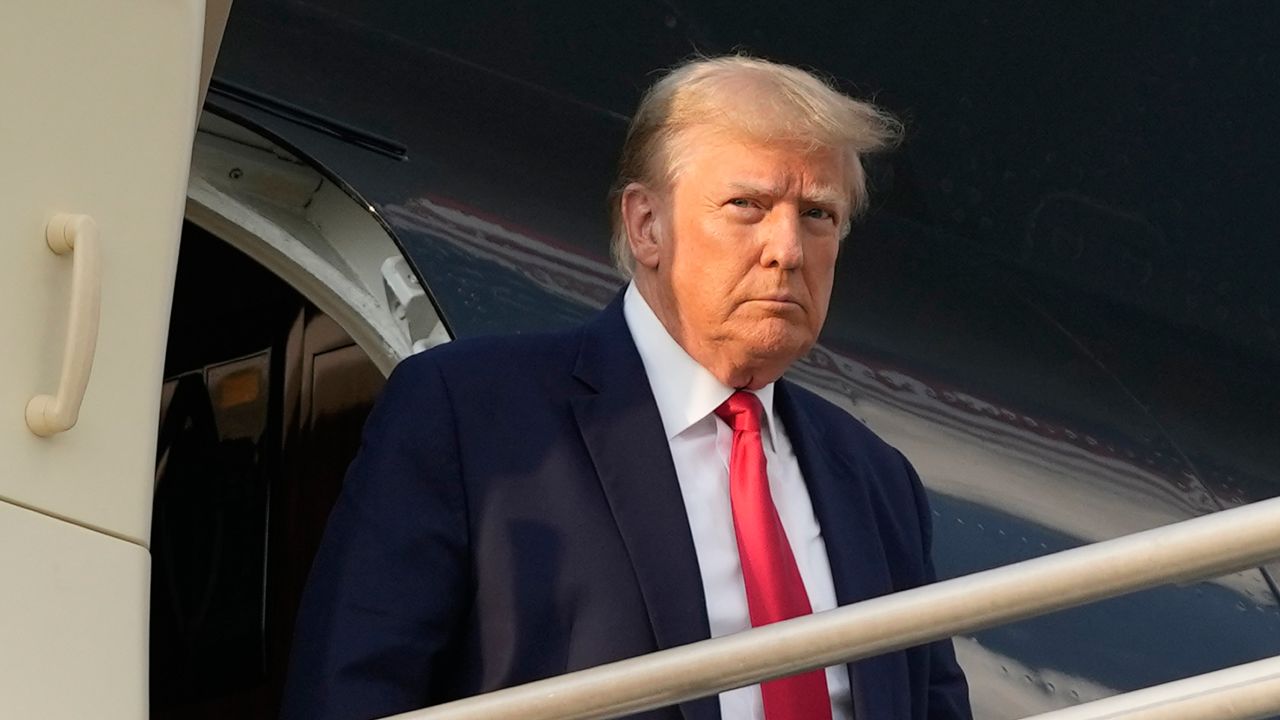
The core of Pezeshkian’s UNGA address directly challenged remarks made by US President Donald Trump. Washington has repeatedly labeled Iran a state sponsor of terror and a menace to Middle Eastern security. Pezeshkian turned that logic on its head.
"The United States President described us as terrorists," Pezeshkian told the assembly. He pointed out that Iran has historically avoided launching unprovoked foreign invasions over the last two centuries, while arguing that his nation has suffered heavy casualties from targeted assassinations and military strikes.
Minutes into the speech, the lone US delegate stood up, grabbed a briefcase, and walked out of the hall. That immediate walkout underscored just how fractured diplomatic channels have become. There is no middle ground left in the room. Both sides are entrenched in entirely different versions of reality.
The Visuals That Dominated the Floor
The most striking moment of the session came when Pezeshkian referenced the heavy human toll of the conflict. He explicitly brought up the deadly strike on the Minab school, holding up photos of children who perished.
For months, Iranian officials have leveraged the Minab incident globally. Tehran previously named a diplomatic delegation "Minab 168" after the reported casualties from strikes on a girls' elementary school. By waving these photographs in front of international diplomats, Pezeshkian aimed to shift the emotional weight of the debate. He argued that advanced weaponry used by the United States and Israel has deliberately targeted civilian infrastructure, including universities, hospitals, and sports halls.
"They were innocent, had committed no crimes," Pezeshkian said, referring to the children in the photographs.
Defensive Posture and Regional Warnings
Beyond the emotional appeals, the Iranian president drew clear red lines regarding military and nuclear policy. He maintained that Iran's military capabilities are strictly defensive. He asserted that acquiring energy technology is meant for national progress rather than threatening neighbors.
"In order to defend our country, we do not seek anyone's permission or approval," he stated firmly.
He also issued a direct warning about maritime trade routes. Pezeshkian cautioned that if Western powers attempt to block Iran's access to vital transit corridors like the Strait of Hormuz while imposing strict maritime restrictions, the crisis will inevitably expand across the entire region. Security cannot be achieved by starving one nation of basic economic access while tightening the military screws, he argued.
What This Means Moving Forward
The fiery rhetoric at the UNGA signals that diplomatic breakthroughs are nowhere in sight. When a country's head of state uses the world's most prominent diplomatic stage to display pictures of dead children and walkouts happen in real-time, compromise takes a back seat to public posturing.
Pezeshkian closed his address with a defiant throwback to earlier rejections of foreign pressure, declaring that Tehran will never submit to external ultimatums.
Watch the Persian Gulf shipping lanes closely over the coming weeks. The rhetoric in New York is already translating into heightened operational readiness on the ground.