Geopolitics rarely offers clean exits, and the ongoing confrontation between Washington and Tehran proves it. Iranian President Masoud Pezeshkian took to the podium at the United Nations General Assembly in New York with a dual message that left diplomats scrambling. Tehran refuses to bend the knee to American pressure, yet keeps the diplomatic door open.
When you strip away the rhetoric, the core dynamic of this conflict is about leverage. Washington wants a sweeping deal under severe economic blockades, while Tehran insists it will never negotiate under the threat of annihilation. Pezeshkian's appearance in New York makes history. He is the first head of government to attend the UNGA while actively at war with the host nation.
Breaking Down the UNGA Standoff
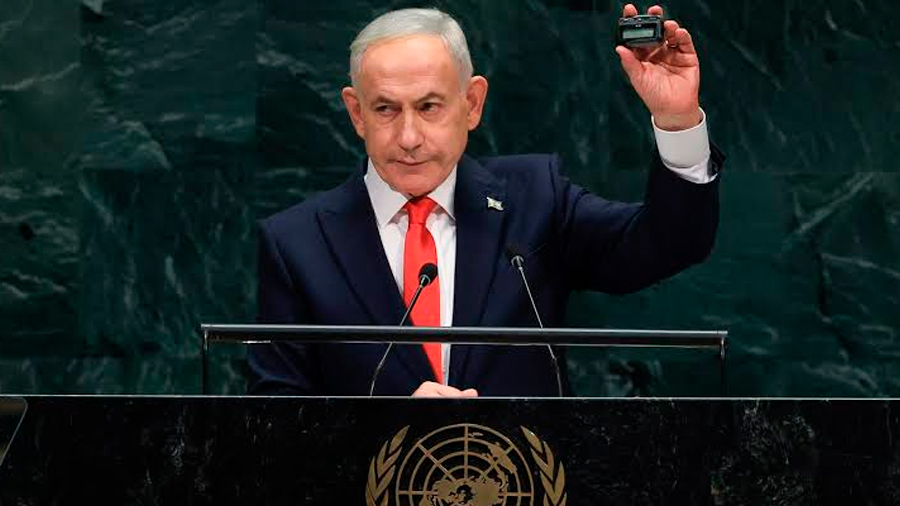
President Trump's administration has ratcheted up pressure, demanding strict constraints and threatening severe military and economic penalties. In response, Pezeshkian displayed photographs during his address. He held up images of former Supreme Leader Ayatollah Ali Khamenei, killed early in the conflict, alongside children killed in recent airstrikes.
This isn't just about optics. It's a calculated move to show domestic strength and signal to the international community that Iran views the current military campaign as an existential assault.
Yet, beneath the defiant posturing, oil markets reacted immediately to hints of flexibility. Brent crude futures dipped 94 cents to $102.13 a barrel, while West Texas Intermediate eased to $91.56, following reports that Iran remains open to diplomacy. Traders know that a closed Strait of Hormuz or restricted regional exports can break global supply chains overnight.
Why Negotiations Remain Deadlocked
Everyone wants to know when the fighting stops. The reality is that the gap between both sides is massive.
- The Non-Negotiables: Tehran views its civilian nuclear enrichment rights and national sovereignty as absolute red lines. Accepting terms dictated by a naval blockade or airstrikes is a political impossibility for the current administration.
- Maximum Pressure: Washington relies heavily on commercial vessel redirection, aviation sanctions, and financial isolation to force a capitulation. But history shows that economic pressure often hardens civilian resolve rather than triggering regime collapse.
- The Regional Spillover: Commercial shipping traffic through the Strait of Hormuz sits well below its ten-day average. Neighboring nations and international brokers like Pakistan are caught in the middle, desperately pushing mediation efforts to prevent total regional escalation.
What Happens Next
If you are tracking where this goes, look past the public soundbites. Behind-the-scenes message exchanges in places like Switzerland and Doha indicate that diplomatic channels are bruised, but not entirely severed.
Iran wants a guarantee of security and an end to foreign military backing of hostile actions in the region. Washington wants explicit security concessions and a halt to proxy threats. Until one side blinks or external economic strains force a compromise, expect a grinding war of attrition punctuated by brief, fragile flashes of dialogue. Watch the shipping insurance rates and oil futures. They tell the real story of escalation long before the diplomats do.
Pezeshkian's Defiant Message To Trump at UNGA
This video provides direct coverage of Iranian President Masoud Pezeshkian's UN General Assembly speech, detailing Tehran's official stance on resisting military pressure while keeping communication channels open.