Geopolitics usually relies on stern communiqués, dry press conferences, and predictable diplomatic threats. But modern statecraft runs on memes and cinematic warfare.
When official government channels start dropping South Indian action clips to answer American presidents, the old rules of international relations are officially broken. That is exactly what happened when the Iranian Embassy in Zimbabwe took a bizarre detour into Tollywood cinema to respond to Donald Trump's threats at the United Nations General Assembly.
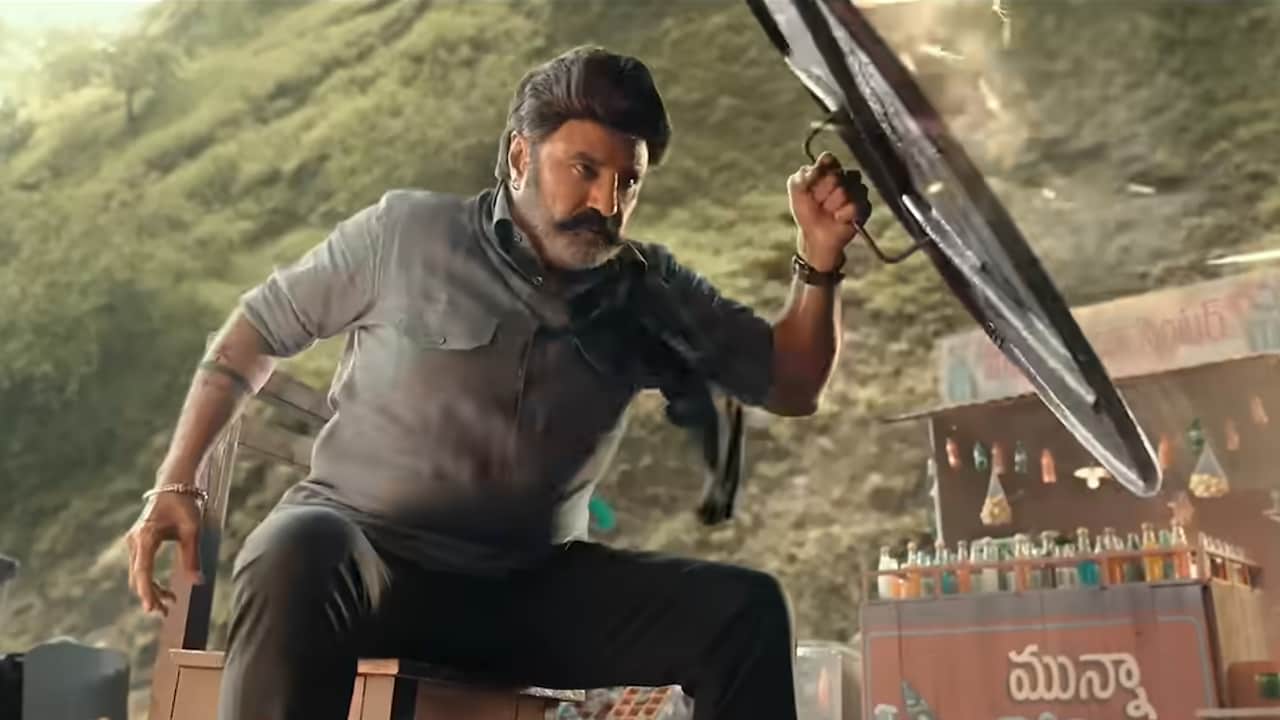
You don't expect a diplomatic mission to post an aggressive fight scene starring actor Nandamuri Balakrishna from the movie Bhagavanth Kesari. Yet, that is the exact weapon of choice deployed to counter high-stakes rhetoric coming out of New York.
The UN General Assembly Clash
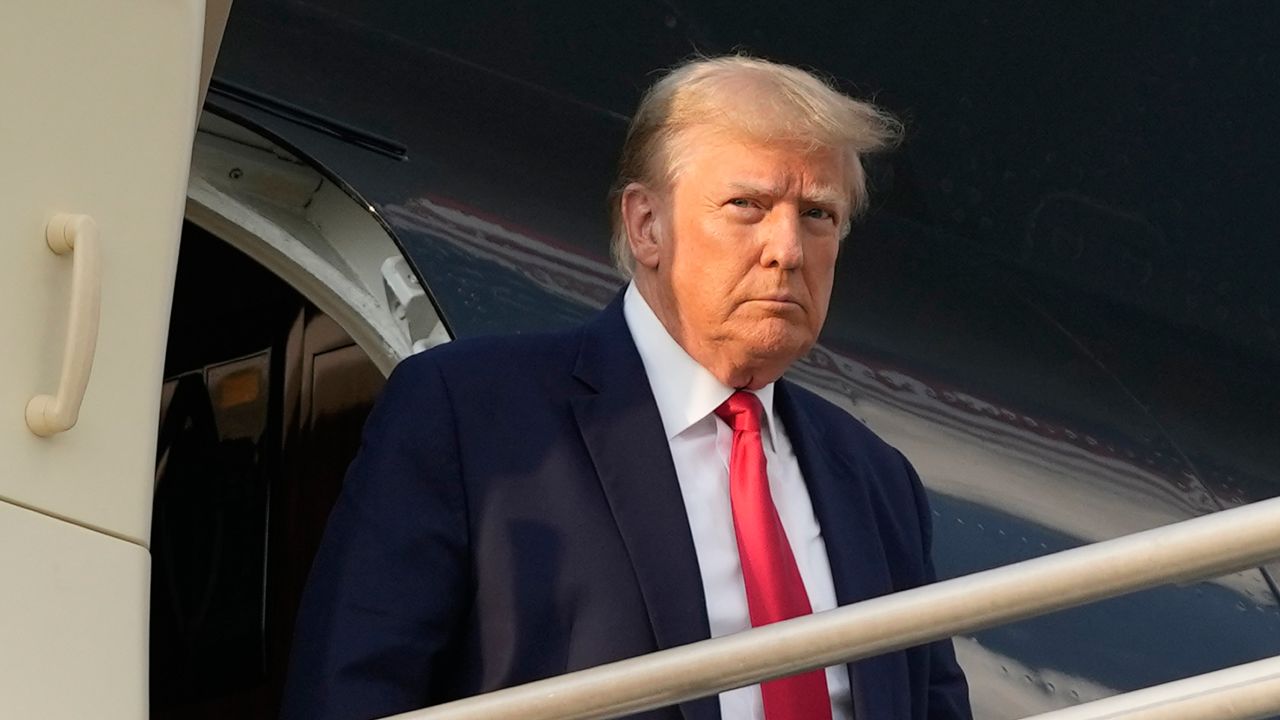
The digital sparring match didn't happen in a vacuum. During his UNGA address, Donald Trump laid out a stark ultimatum regarding the ongoing seven-month conflict. He openly weighed a major choice. He claimed he could either allow a deal letting Iran rebuild its economy, or he could choose to "annihilate the Islamic Republic and do it quickly."
It is the kind of maximum-pressure rhetoric that defines modern American foreign policy. But instead of releasing a standard bureaucratic condemnation through state media, Tehran's digital footprint took a remarkably surreal turn.
The Iranian Embassy in Zimbabwe posted a 58-second clip from Bhagavanth Kesari showing an intense standoff with armed men, accompanied by a biting caption. They accused the Trump administration of spending too much time watching Bollywood instead of Hollywood, while dryly reminding the world that Iran isn't a pushover.
The irony of confusing Tollywood with Bollywood aside, the messaging was clear. Tehran wanted to project defiance through popular culture.
Diplomacy Behind Closed Doors
While social media channels traded movie clips, a different kind of reality played out behind closed doors in New York.
Iranian President Masoud Pezeshkian made an unprecedented trip to the United States for the UN gathering, marking a tense diplomatic moment while the two nations remain effectively at war. More surprisingly, reports surfaced that an Iranian delegation held three hours of direct talks with senior American envoys Steve Witkoff and Jared Kushner on the sidelines of the summit, with Qatari mediators facilitating the indirect channels.
Trump later described the engagement as a very good meeting, hinting that further discussions are on the horizon. Secretary of State Marco Rubio defended the administration's openness to dialogue, noting that engagement remains essential even when two sides are fundamentally at odds.
Iran's foreign ministry maintained its baseline demands during these talks, pushing for an end to maritime blockades on Iranian ports and the release of frozen assets.
Why Regional Cinema Makes Global Waves
Using pop culture in statecraft is not entirely new, but pulling a specific clip from a regional Indian blockbuster to mock a superpower's military threats highlights how modern digital diplomacy works. State actors no longer rely solely on formal ambassadorial channels to shape public perception. They build digital personas designed to capture global attention, bypass traditional media filters, and score cheap, viral points against adversaries.
When you mix high-stakes nuclear threats, secret negotiations in New York hotels, and Tollywood action sequences on X, international politics starts looking less like a serious boardroom and more like an internet culture war.
The standoff continues. The blockades remain. But the optics of global conflict have permanently changed when a nation under heavy sanctions answers an existential threat with a movie edit.