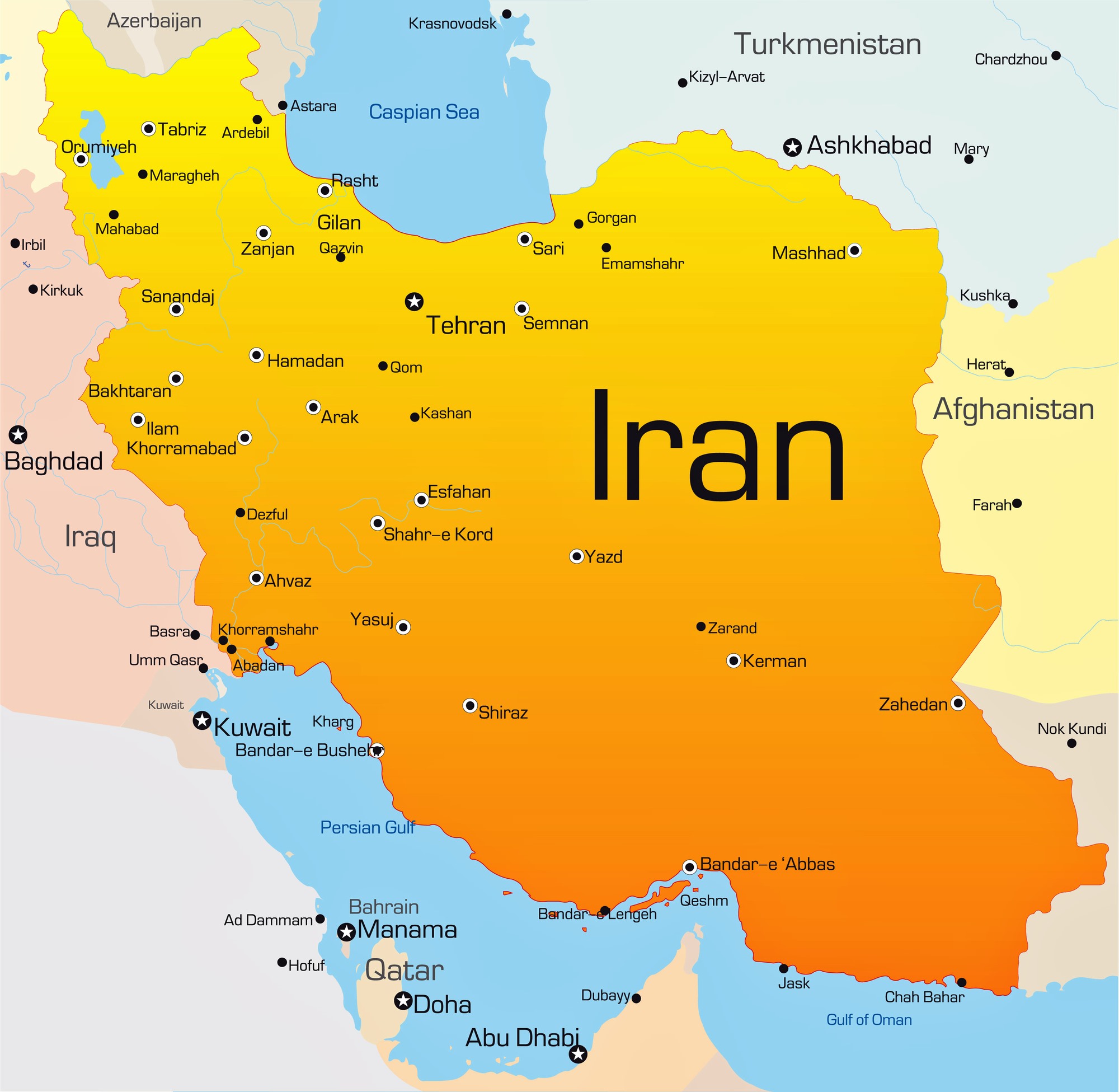
The Strait of Hormuz is basically the jugular vein of global energy. When Tehran choked off the passage, oil markets panicked. Now, Iranian Foreign Minister Abbas Araghchi has put a concrete seven-day proposal on the table in New York.
The message is clear. Tehran wants a way out, but they want it on their terms. The ball is sitting squarely in Washington's court, and President Donald Trump faces some brutal choices as the U.S. midterm elections approach.
What the Seven-Day Hormuz Plan Actually Says
If you strip away the diplomatic theater, the proposal is an accelerated blueprint modeled closely after the short-lived memorandum of understanding signed back in June. Iran isn't inventing a brand-new framework. They are trying to speed up an old one that broke down almost as fast as it was agreed upon.
Here is how the timeline works on paper:
- Days one through five require the United States to lift its naval blockade on Iranian ports, restore oil export waivers, stop military operations including the campaign in Lebanon, and release at least $12 billion in frozen assets.
- Day six involves Iran officially reopening the Strait of Hormuz for normal maritime passage along designated transit lanes.
- Day seven triggers the resumption of formal talks regarding Tehran's civil nuclear program, which would include allowing UN inspectors back in to review damaged facilities and enriched material.
Araghchi made sure to frame the stakes publicly outside the United Nations. If Washington accepts the conditions, the clock starts immediately. If not, the economic bleeding continues.
Why Washington is Hesitating
The White House isn't jumping at the offer, and for good reason. U.S. officials maintain that they hold the tactical advantage in the waterway. Behind closed doors, administration insiders note that nearly 40 million barrels of crude oil have successfully cleared the chokepoint under military escort over recent days, matching prewar volumes.
Washington basically feels no immediate desperation. Trump has stated publicly that he is in no rush to ink a hasty deal that rewards Iran for closing the route in the first place. Letting Tehran dictate the terms—especially requirements involving regional allies like Israel and the cessation of operations in Lebanon—makes the pill extremely hard for the administration to swallow.
The Economic Reality Driving Tehran
Iran's sudden willingness to compromise isn't coming from a place of strength. The ongoing conflict has squeezed the Iranian economy past its breaking point. Inflation is rampant, oil revenues have plummeted, and public fatigue with the war is mounting.
Hard-liners inside the regime are pushing back against President Masoud Pezeshkian's diplomatic outreach, arguing that concessions will only invite more pressure. Yet, the government desperately needs relief from sanctions and access to its frozen international funds. Using the strait as leverage was effective at spiking global oil prices to around $103 a barrel, but keeping it shut indefinitely risks an even harsher military escalation.
What Happens Next for Global Energy Markets
Energy traders are watching every move out of Geneva, Doha, and New York. Brent crude prices dipped roughly two and a half percent as soon as news of the seven-day proposal leaked. Markets hate uncertainty, and any credible path toward reopening the world's most critical oil transit route naturally brings immediate relief to pump prices.
Regional players like Saudi Arabia remain deeply skeptical. Riyadh has its own security nightmares to manage, including aerial attacks and the broader regional proxy network. Trust between Washington, Tehran, and Gulf capitals is virtually non-existent. A deal might look great on a whiteboard, but ensuring neither side violates the terms on day eight is another story entirely.
Keep a close eye on how the White House responds to the mediator channels managed by Qatar. If Trump decides that lower gas prices trump military posture ahead of the midterms, we could see a sudden shift. If he holds the line, the strait stays tense, and the economic standoff drags on.
.jpg?itok=hg_o2L0E)