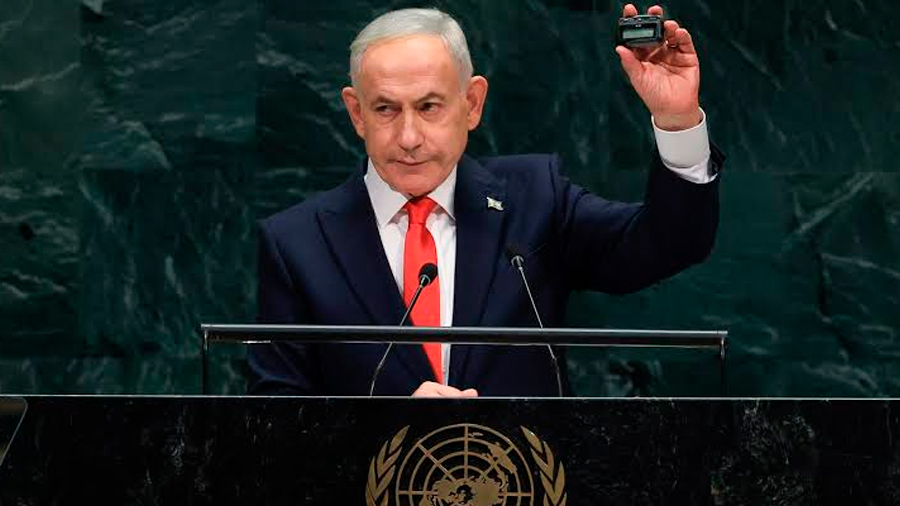
Air raid sirens don't stop for diplomacy. While world leaders packed the halls of the United Nations General Assembly in New York, the skies above Ukraine's capital told a far more violent story.
Russia hammered Kyiv with a barrage of drone strikes in broad daylight, killing at least two people and wounding dozens more. The timing wasn't accidental. Moscow timed this aerial assault to coincide directly with Ukrainian President Volodymyr Zelenskyy's high-stakes diplomatic trip to the U.S., sending a blunt, bloody message to the international community.
If you are wondering why these strikes keep accelerating during major geopolitical moments, you have to look past the battlefield tactics. It is psychological warfare wrapped in high explosives.
The Timing Message Behind the Kyiv Drone Strikes
Moscow loves a theatrical backdrop. Every time Ukrainian leadership steps onto a global stage to rally support, the Kremlin escalates the violence at home.
During this particular attack, the drones targeted critical logistics, railway infrastructure, and fuel stations across multiple districts of Kyiv. Plumes of thick, black smoke drifted over neighborhoods where families were simply trying to survive another week of a grueling four-and-a-half-year war.
Zelenskyy stood before the UN General Assembly shortly after the dust settled, pushing global leaders to squeeze Russian revenues harder.
"When someone gives Russia more money through trade, they give this war more time," Zelenskyy told the assembly.
He's right. But speeches don't stop incoming drones. Ukraine needs air defense systems like U.S.-made Patriots desperately, yet those supplies are stretched thin globally, especially after new conflicts erupted in the Middle East.
Why Traditional Diplomacy Is Stalling
You can't negotiate with a government that responds to peace proposals with ballistic missiles and suicide drones. Days before the UN address, Zelenskyy met with U.S. President Donald Trump to discuss potential paths toward de-escalation, including ideas for pausing attacks on energy grids and securing Black Sea grain routes.
Yet, the Kremlin dismissed the prospect of serious, U.S.-brokered peace talks immediately following the meeting. Moscow's strategy is simple: bleed Ukraine economically, wear down Western patience, and test NATO's red lines.
Take what happened on the border with Poland. During the same week as the Kyiv bombings, a Russian military helicopter briefly violated Polish airspace near the Kaliningrad exclave. European defense officials immediately recognized the move for what it was—a deliberate stress test of NATO's air defense readiness.
What Comes Next for the Conflict
The reality on the ground is grim. Ukraine isn't just sitting back, of course. Kyiv has retaliated by hitting deep inside Russia, targeting oil refineries that fuel the Russian war machine and choking off vital economic pillars.
But asymmetric drone warfare favors the side with deeper manufacturing reserves and fewer domestic political constraints. Russia is banking on fatigue. They believe Western taxpayers will eventually get bored, politicians will move on to the next crisis, and Ukraine will be left standing alone in the rubble.
Stopping this cycle requires more than condemning civilian casualties at podiums. It means enforcing total economic isolation on Russian energy exports and getting serious about long-term air defense supply chains.
Until the international community matches its rhetoric with real logistical backing, the sirens in Kyiv will keep wailing. Keep your eyes on the supply lines, not the speeches.