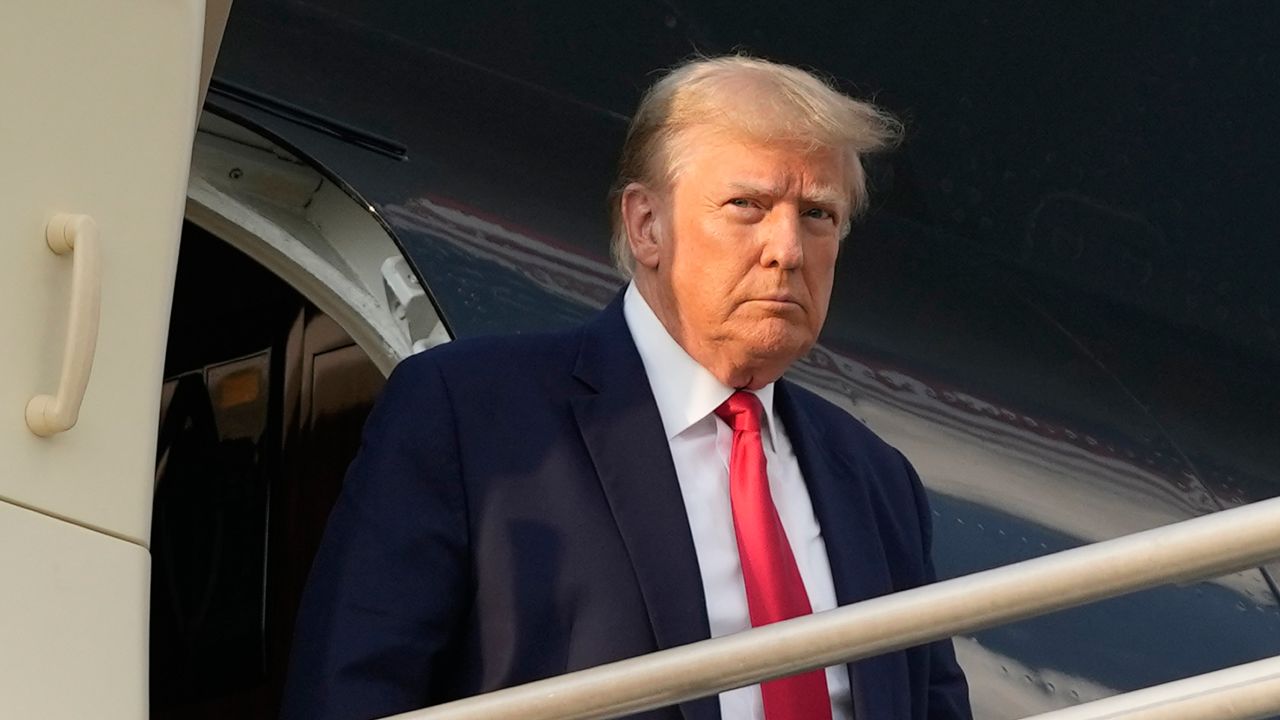
When a high-profile political figure takes a major news organization and a pollster to court over a pre-election survey, people pay attention. Donald Trump's lawsuit against The Des Moines Register and pollster J. Ann Selzer didn't just fade away quietly. An Iowa judge tossed it out completely.
If you are wondering why this legal battle grabbed headlines, it comes down to a fundamental clash between political frustration and constitutional protections. Let's break down what actually happened, why the judge ruled the way he did, and what this means for political polling moving forward.
The Core of the Dispute
Back in December 2024, Donald Trump filed a lawsuit targeting The Des Moines Register, its parent company (USA Today Co.), and renowned pollster J. Ann Selzer. Joining him in the legal action were U.S. Rep. Mariannette Miller-Meeks and former Iowa state Sen. Brad Zaun.
The grievance centered on a famous late-October poll published just days before the 2024 election. That poll showed Kamala Harris leading Trump 47% to 44% in Iowa. When election night rolled around, reality looked very different. Trump won the state comfortably with 56% of the vote.
Trump's legal team argued that the poll results were fraudulently published to damage his campaign, sap resources, and mislead voters. They attempted to use Iowa's consumer fraud statute to hold the pollster and the paper accountable.
Why the Judge Threw the Case Out
Iowa District Judge Scott J. Beattie did not mince words. He called the lawsuit extraordinary and ruled that letting it move forward would create a dangerous chilling effect on public debate.
The judge hit on several crucial points:
- Constitutional Armor: Judge Beattie emphasized that political polling and news coverage of elections sit squarely within the highest tier of First Amendment protection. You cannot turn protected speech into a commercial liability simply because a poll misses the mark.
- The Fraud Claim Failed: The court ruled that even if the judge temporarily accepted the premise that the poll was skewed or flawed, the lawsuit still failed to meet the strict legal definitions of consumer fraud. Polling is an analytical social science, not a guaranteed product or clairvoyance.
- Protecting Public Discourse: Allowing lawsuits over inaccurate polls would mean every political campaign could sue a media outlet whenever numbers swing the wrong way.
The Broader Impact on Polling and Journalism
Polling has taken massive hits in public trust over recent cycles. Misses happen. Statistical weighting models fail to capture shifting voter turnout. But turning forecasting errors into grounds for civil litigation crosses a bright line in American jurisprudence.
J. Ann Selzer, who defended her work alongside free speech organizations like the Foundation for Individual Rights and Expression (FIRE), pointed out that responsible pollsters cannot predict outcomes with absolute certainty. They measure sentiment at a specific snapshot in time.
Trump's team has indicated plans to take the fight to the Iowa Supreme Court, meaning this legal saga isn't entirely dead yet. However, the initial state court dismissal sends a clear message about the high legal wall protecting the press and independent researchers from liability over election forecasts.
Watch how appellate courts handle future attempts to regulate speech through consumer protection statutes. The boundaries of political commentary and accountability are being redrawn right now.
Iowa judge grants motion to stay in Trump's lawsuit against Selzer
This video provides background context on the legal motions and procedural history surrounding Donald Trump's lawsuit against pollster J. Ann Selzer and The Des Moines Register.
http://googleusercontent.com/youtube_content/1