We've spent decades building a digital Eden. Every single day, algorithms get sharper, automation gets smoother, and our reliance on code deepens. But beneath the shiny exterior of tech progress, a quiet anxiety is spreading.
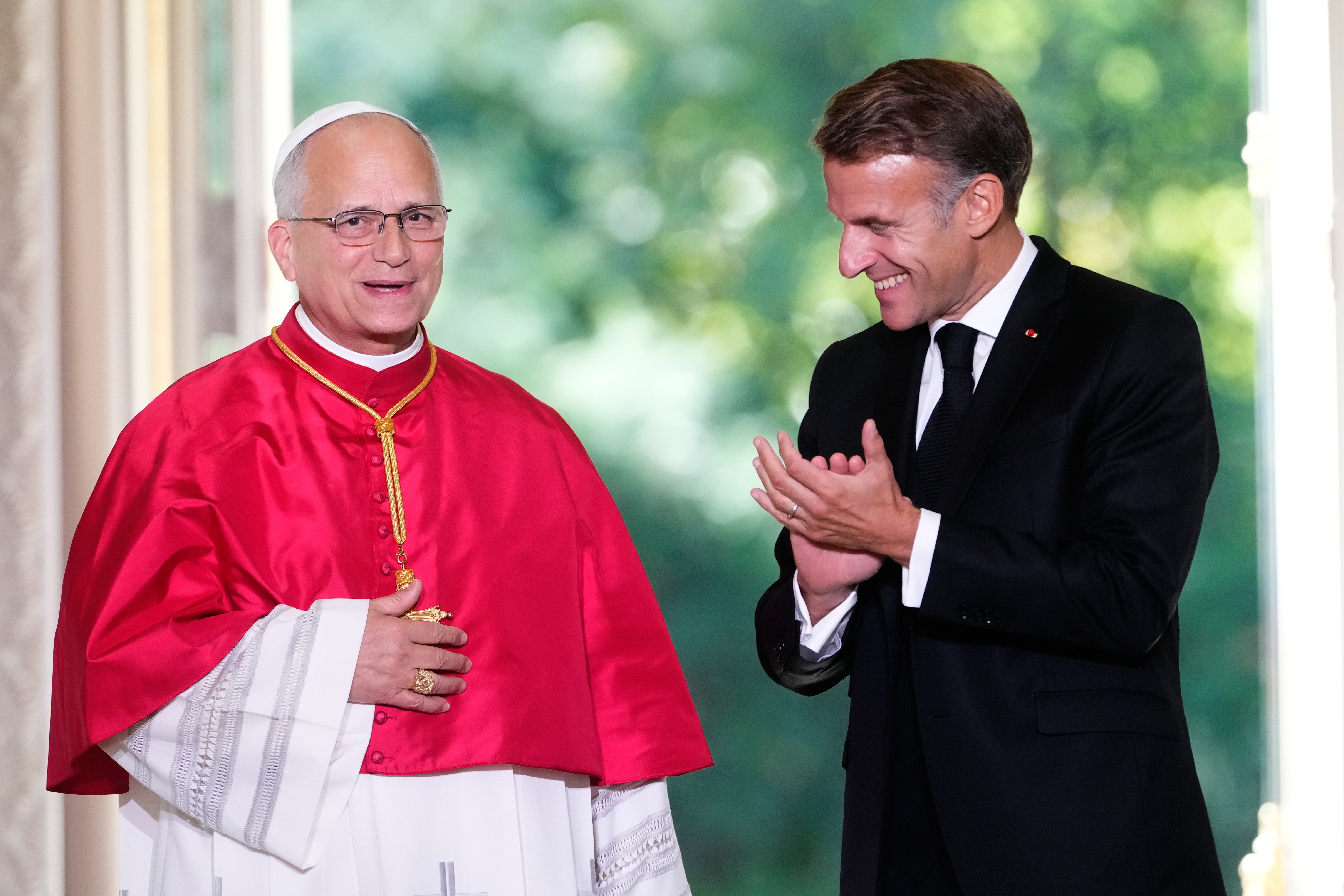
When Pope Leo XIV touched down in Paris for his landmark visit to France, he didn't deliver standard diplomatic pleasantries. Instead, standing at the Élysée Palace alongside President Emmanuel Macron, he issued a blunt warning about a "paradise of machines" threatening to erode the very core of human dignity.
It's a stark message. And honestly, we need to talk about why it resonates so deeply right now.
The Cost of Convenience
We love our gadgets. From predictive text to complex artificial intelligence systems managing our schedules, code handles the friction of daily life. Yet, convenience always extracts a toll.
When machines begin to condition how we think, react, and relate to one another, the line between user and used blurs. The Vatican has increasingly pushed back against the uncritical worship of digital progress. While computational systems get labeled as "intelligent," society struggles to accord the same active recognition to the inalienable worth of flesh-and-blood human beings.
Think about how much mental real estate you surrender to algorithms daily. You outsource your memory to cloud storage, your navigation to GPS, and your decision-making to recommendation engines. Slowly, quietly, we risk becoming passive data points in someone else's automated ecosystem.
Beyond the Silicon Trap
The papal visit to France wasn't just about silicon and servers. It hit squarely against the backdrop of a continent grappling with deep political friction, secular governance, and old-school geopolitical dangers like the modern nuclear arms race. By tying the unchecked expansion of artificial intelligence directly to traditional threats against human life, the message is clear: technological hubris isn't harmless.
France itself represents a fascinating backdrop for this debate. With strict constitutional secularism (laïcité) and recent high-profile legislative battles over end-of-life care and bioethics, the country sits at the crossroads of modern scientific ambition and ancient philosophical questions.
When leaders embrace raw innovation without grounding it in moral responsibility, society breaks down. Peace isn't maintained through a cold balance of power or automated deterrence; it requires active, human justice and genuine dialogue.
Reclaiming Our Humanity
You don't have to wear robes or sit in the Vatican to see the writing on the wall. The digital landscape rewards speed over reflection and output over depth.
If we want to avoid getting swallowed by our own automated paradise, we have to push back against passive consumption. That means demanding ethical discernment in schools, workplaces, and tech boardrooms. It means prioritizing human judgment instead of blindly trusting whatever answer an algorithm spits out.
Stop treating technology as an inevitable force that we must simply endure. Build boundaries. Guard your attention. Because if we don't actively fight to keep our humanity at the center of our choices, we'll wake up entirely obsolete in a world we built with our own hands.
Pope warns against losing humanity in a "paradise of machines" | AFP
This video provides an authentic look at the papal arrival and address in Paris where these striking warnings about technology were delivered.
http://googleusercontent.com/youtube_content/1