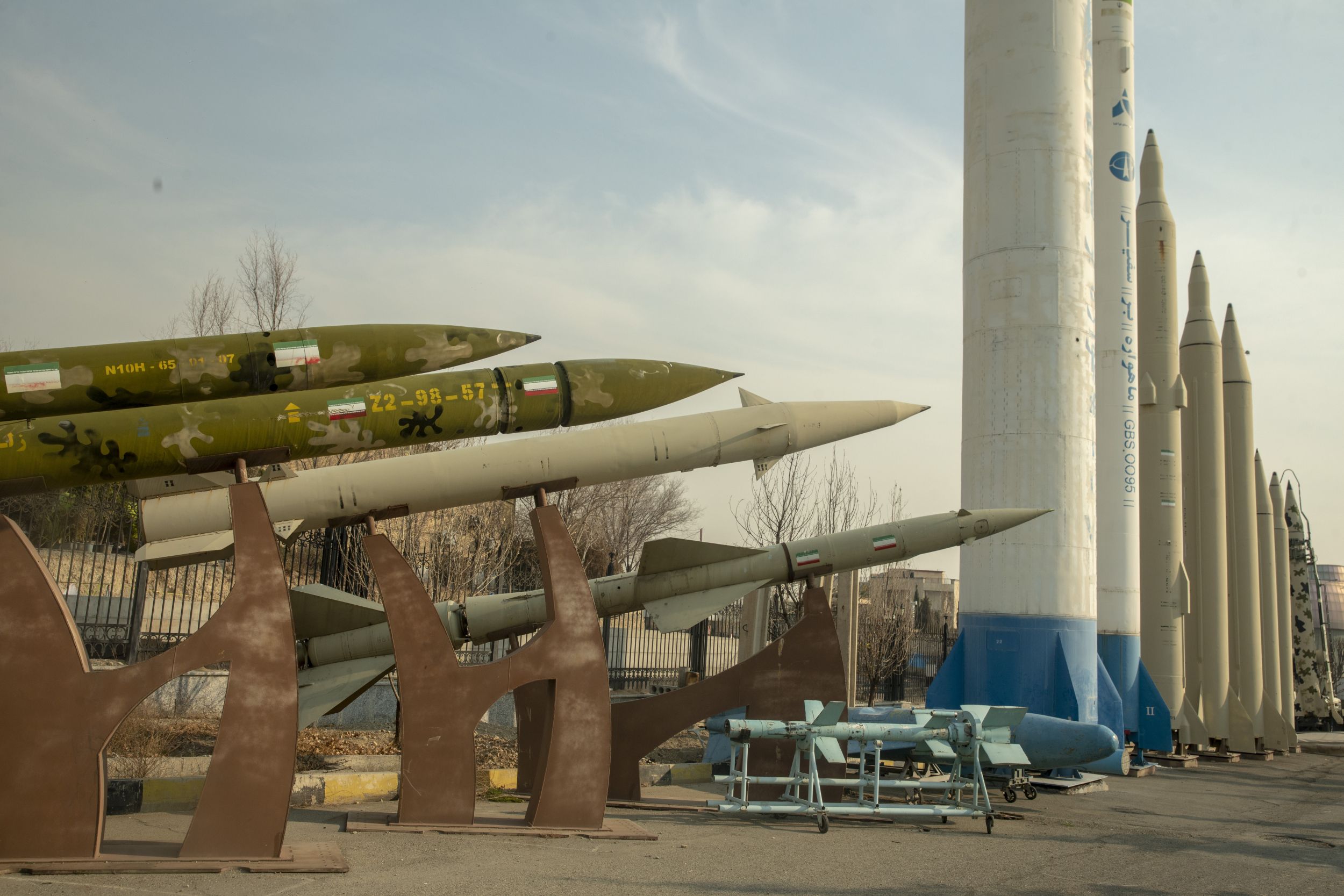
Foreign policy speeches at the United Nations usually sound like polite diplomatic noise. President Donald Trump shattered that mold completely during his address to the U.N. General Assembly, laying out a stark binary choice for Iran. It is either a negotiated settlement that rebuilds the country or total military destruction.
If you have been tracking Washington's posture toward Tehran, this speech marks a dramatic escalation in rhetoric backed by real military actions taken over the past year. Trump didn't hide behind diplomatic code words. He stood at the global podium and framed the standoff as a final reckoning for the Iranian regime.
The Core Choice Facing Tehran
Trump laid out his dilemma for the global assembly in plain terms. He asked whether he should make a deal allowing Iran to rebuild into a prosperous Middle Eastern powerhouse or annihilate the regime quickly to stop its historical aggression. That kind of rhetoric is rare on the international stage.
The strategy hinges on maximum pressure paired with an open door for negotiations, though the window is closing fast. Trump noted that U.S. special envoys Steve Witkoff and Jared Kushner held significant meetings with Iranian officials on the sidelines of the U.N. summit. Those back-channel talks happened through intermediaries, but they signal that diplomatic channels remain functional despite the intense hostility.
What Led to This Moment
You cannot understand the current ultimatum without looking at the military operations that preceded it. The Trump administration points to specific actions taken since taking office in January 2025.
- Operation Midnight Hammer: Carried out on June 22, 2025, this military strike targeted key Iranian nuclear facilities including Fordow, Natanz, and Isfahan.
- Operation Epic Fury: Launched on February 28 following stalled diplomatic efforts, this campaign crippled Iran's navy, air force, radar grids, and missile manufacturing capacity.
- Naval Blockades: The U.S. Navy reinstituted a strict blockade in the Strait of Hormuz, redirecting over 100 commercial vessels to secure shipping lanes against ongoing proxy attacks.
These operations changed the calculus on the ground. Tehran is dealing with internal inflation soaring past 300 percent while watching its conventional military power get systematically dismantled.
The Domestic Politics and Economic Pressure
Trump made it clear that domestic American political timelines do not drive his foreign policy schedule. While analysts frequently speculate about how midterms or elections influence foreign interventions, Trump dismissed the idea entirely. He stated that the election does not enter his mind when dealing with a nuclear-armed Iran.
Instead, the administration is leaning heavily on complete economic isolation. By cutting off oil revenues and forcing international partners to sever financial ties, Washington aims to squeeze the regime until it abandons its proxy warfare and nuclear ambitions.
Gulf nations and regional partners are watching closely. Trump met with leaders from Saudi Arabia, the UAE, Qatar, Oman, Kuwait, Bahrain, Jordan, Turkey, and Egypt right around the summit. Regional security dynamics are shifting rapidly as the old balance of power collapses under the weight of U.S. enforcement and regional diplomacy.
What Happens Next
The immediate future depends entirely on whether Tehran decides to take the deal or test Washington's resolve further. The back-channel talks led by U.S. envoys provide a narrow path toward de-escalation. If Iranian leadership refuses to compromise, the alternative spelled out at the United Nations leaves zero room for miscalculation.
Watch the shipping data in the Strait of Hormuz and listen closely to what regional mediators report from ongoing discussions. The countdown is moving fast, and the stakes have never been higher.