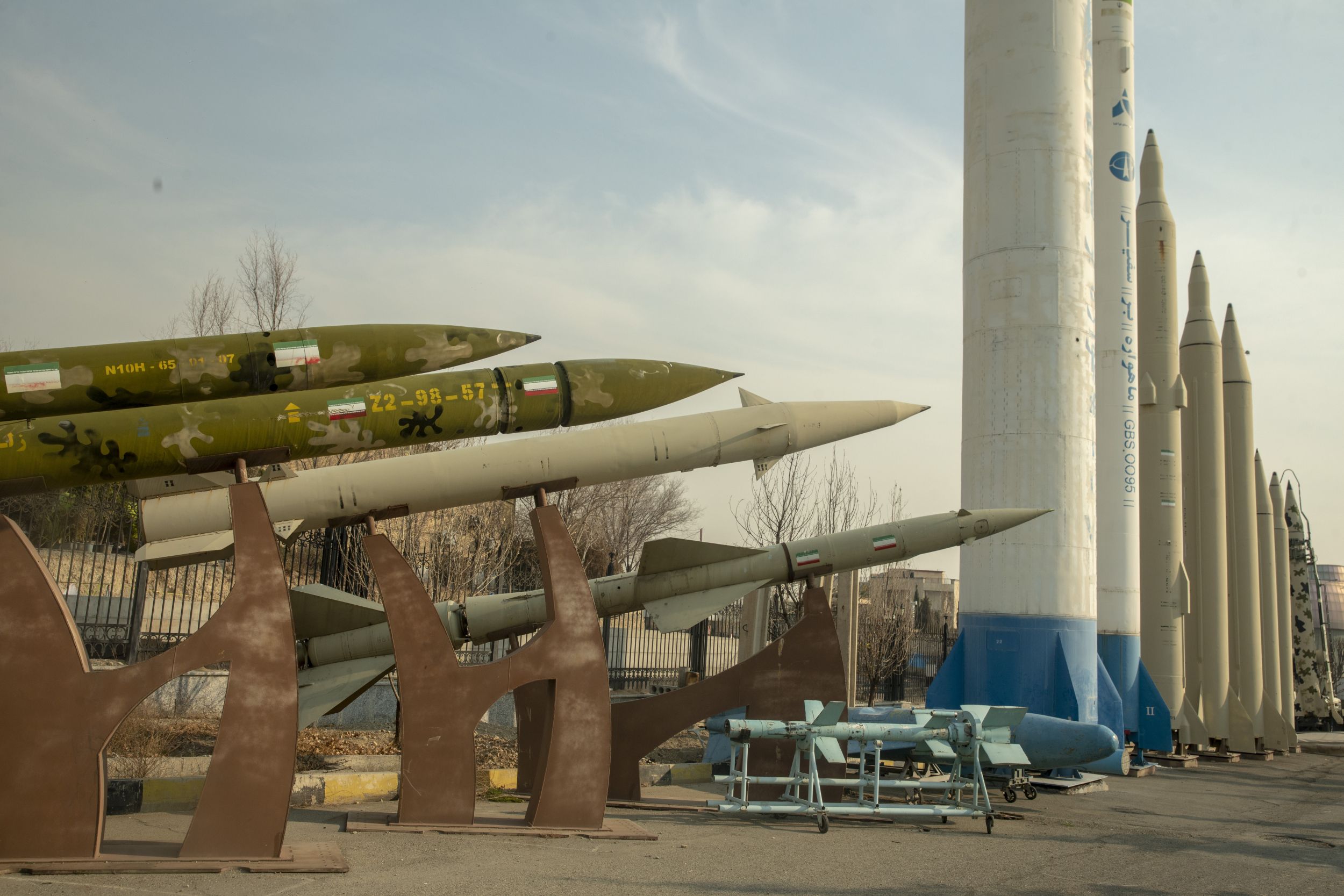
Foreign policy rarely ends with a clean cinematic finale. Instead, leaders face a messy reality where walking away is the only viable choice left on the table. Donald Trump is looking at a familiar exit strategy regarding the ongoing tensions involving Iran, positioning his administration to declare total success and pivot home.
You’ve seen this playbook before. When military entanglements drag on without a clear path to total dominance, political survival demands an off-ramp. Trump isn't one to stay bogged down in endless foreign quagmires. If an operation stops serving his domestic political narrative, he invents a new definition of winning and changes the subject entirely.
The Art of the Strategic Exit
Let's look at how Washington handles foreign policy deadlocks. Admitting defeat is toxic for any administration. That leaves only one alternative: reframing the outcome.
Trump knows that voters care more about inflation, jobs, and domestic security than obscure geopolitical stalemates in the Middle East. If he can frame his policy as a triumph—pointing to economic pressure, targeted strikes, or diplomatic maneuvering—he can convince his base that the mission is accomplished.
It is the political equivalent of declaring checkmate while knocking over the chessboard.
Borrowing From the Arctic Playbook
People are drawing comparisons to what analysts are calling the "Greenland option." Think about how the administration handles strategic acquisitions or security postures elsewhere, like the recent agreements regarding Greenland's northern security perimeter with Denmark. Trump focuses heavily on asserting dominance, locking down defensive control, and claiming a massive diplomatic trophy, even if the underlying legal rights or ground realities shift very little.
Apply that same logic to Iran. You don't need a total regime collapse or an unconditional surrender to claim victory. You just need a loud enough microphone and a sufficiently malleable narrative.
- Claim the adversary has been contained.
- Emphasize that American blood and treasure are being prioritized for domestic needs.
- Dismiss any lingering instability as someone else's problem to solve.
What Most Observers Miss
Most mainstream commentators think foreign policy runs on pure geopolitical logic. They expect long-term strategies, multi-year commitments, and institutional continuity. They are wrong.
Trump operates on a transactional timeline. Every foreign crisis is measured by how it plays on the nightly news and whether it helps or hurts his standing back home. When a conflict reaches the point of diminishing political returns, the calculation changes instantly. Staying in Iran indefinitely offers nothing but downside risk. Walking away under the banner of a hard-won victory keeps political capital intact.
You shouldn't look for a formal peace treaty or a grand handshake on the lawn of the White House. Look for the sudden pivot. One day the rhetoric is white-hot, and the next day the focus shifts entirely to domestic economics, leaving the messy Middle Eastern reality to simmer in the background while the White House celebrates a job well done.
The strategy is simple, ruthless, and remarkably effective at shielding a leader from the consequences of an unwinnable war.
This video provides additional context regarding the complexities and skepticism surrounding potential U.S.-Iran diplomatic arrangements.