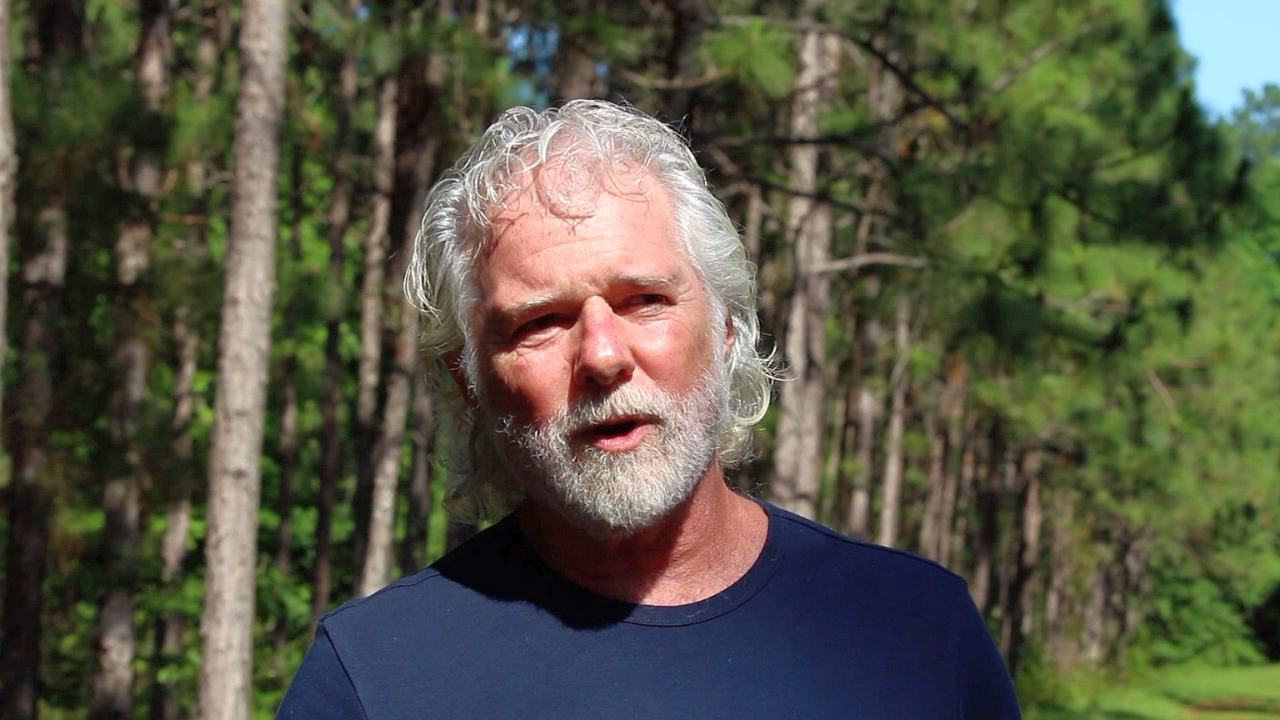
You probably know Chuck Leavell as the guy sitting behind the keyboard for the Rolling Stones or the Allman Brothers Band. But behind his legendary rock career sits a completely different kind of mastery. Back in 1981, Leavell and his wife, Rose Lane, inherited a modest piece of family land in Georgia. Most musicians would have sold it or let it sit vacant while touring the globe. Instead, they turned it into Charlane Woodlands, a sprawling 4,000-acre estate where roughly 70 percent of the land thrives under heavy forest cover.
Managing thousands of acres while playing sold-out stadium tours sounds impossible. Yet, the reality of what Leavell built offers a masterclass in long-term land stewardship that defies typical celebrity vanity projects.
Moving Beyond the Row Crops
The original property wasn't an untouched wilderness. When Rose Lane inherited the acreage after her grandmother passed away, the land had spent years bound to traditional farming, livestock, and row crops. Soils were tired. The layout needed a complete rethink.
Leavell didn't just buy adjacent parcels over the decades to watch grass grow. He recognized that modern land management requires patience and biological literacy. Instead of chasing short-term agricultural yields that demand daily attention, he leaned into forestry. Trees operate on a generational clock. That fit his touring lifestyle far better than cattle or annual cash crops.
The transformation relied heavily on Southern yellow pines like loblolly and longleaf, alongside native hardwoods. By systematically acquiring neighboring tracts, the couple scaled the property from its modest beginnings to roughly 4,000 acres outside Macon, Georgia.
The Rock Star Who Studied Forestry by Mail
It is easy to assume famous people simply hire out every chore. Leavell did the opposite. He rolled up his sleeves and educated himself from scratch.
With zero formal background in botany or silviculture, he turned his downtime on tour buses into a classroom. He studied forestry courses by correspondence. He swapped stories with seasoned local tree farmers, learned the intricacies of soil chemistry, and mastered the science of prescribed burning.
This hands-on education paid off in ways money couldn't buy. Leavell understood that a healthy forest isn't a museum piece left untouched to rot. It requires active intervention. Thinning crowded stands, clearing underbrush, and carefully managing wildlife habitats became routine. His efforts transformed Charlane into a sanctuary for bobwhite quail, wild turkeys, white-tailed deer, and migratory ducks.
The Philosophy of Sustainable Timber
A common misconception about conservation is that cutting down trees is always bad. Leavell shatters that myth. Sustainable forestry is an active cycle of planting, growing, harvesting, and replanting.
At Charlane, timber production is built right into the ecosystem. Red oaks and pines harvested from the property don't just get hauled away to anonymous mills. A dedicated woodworking shop on the estate allows logs to be milled into thick structural timbers, flooring, and custom furniture. The historic Bullard House—an early 19th-century farmhouse restored by the couple in the nineties—along with their custom guest lodge, stands as a testament to this cycle. Walking through the main 6,000-square-foot home means walking on Southern yellow pine grown right outside the back door.
That level of integration earned him serious peer respect. Industry groups stopped looking at him as a novelty celebrity hobbyist. He was named National Outstanding Tree Farmer of the Year in 1999, won Georgia Tree Farmer of the Year twice, and earned an honorary forest ranger title from the U.S. Forest Service.
Practical Takeaways for Modern Land Stewards
You don't need a 4,000-acre estate or a rock-star bank account to apply the lessons learned at Charlane. If you own rural land or aspire to manage property, keep a few core realities in mind:
- Shift your timeline: Stop thinking in single-season yields. Trees and soil health take decades to mature. Build a management plan that looks fifty years ahead.
- Embrace active management: Leaving land completely alone often leads to choked undergrowth, disease, and high wildfire risks. Controlled burns and selective thinning keep ecosystems robust.
- Close the loop: Whenever possible, use what your land produces locally. Woodworking, milling, and local processing reduce waste and deepen your personal connection to the property.
Charlane proves that true stewardship requires skin in the game. Pick up a book on your local ecology, walk your boundaries, and start planning for the long haul.